VOYAGES A LA CARTE
NOS VALEURS

Archive Blog Detail

Top 5 DES SITES incontournables DU VIETNAM

Chez AsiaMyWay, votre spécialiste local de l’Asie du Sud-Est depuis plus de 20 ans, nous avons pensé à vous. Pour vous aider lors de votre prochaine escale dans Pays du Dragon, nous vous présentons aujourd’hui des 5 sites incontournables à découvrir en voyage au Vietnam.

1 - SAPA

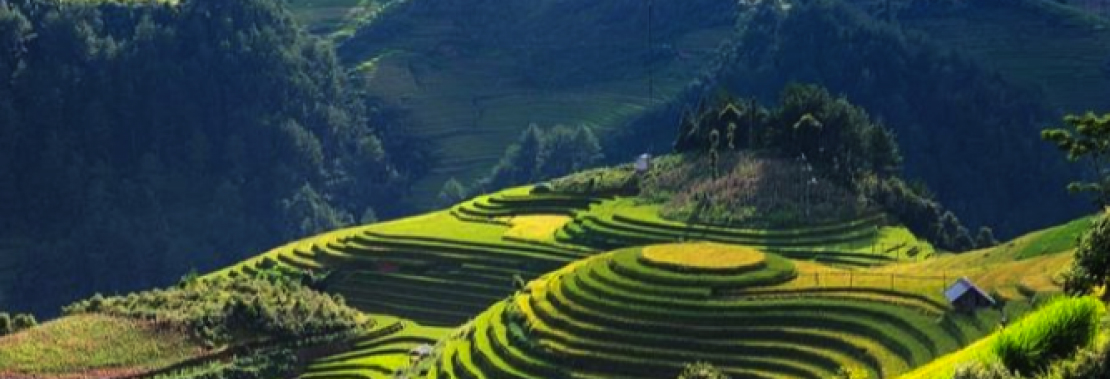
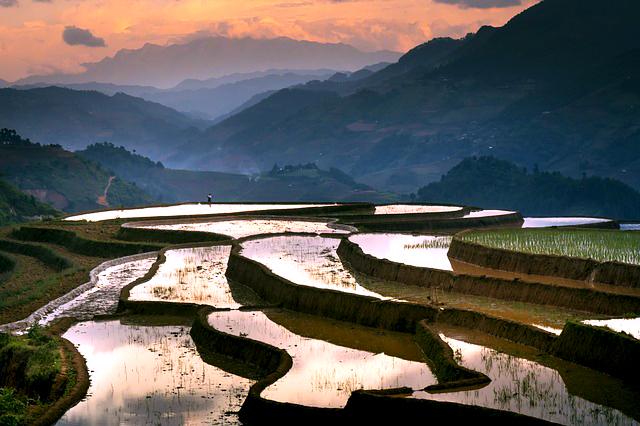
Cette ville de l’extrême nord du Vietnam, où l’on peut encore sentir l’influence coloniale française, est située à 1500m d’altitude et bénéficie d’un climat doux toute l’année. Avec un cadre naturel magnifique, vous pourrez admirer d’incroyables rizières en escalier à perte de vue, des paysages montagneux ainsi que des cascades et des forêts de bambous, ce qui en fait une région idéale pour le trekking. Le charme de cette région réside également dans sa grande diversité ethnique. Au cours de votre aventure, ne manquez pas de visiter les villages typiques, de rencontrer ses habitants et de découvrir leurs traditions. Pour les plus courageux, pourquoi ne pas se lancer dans l’ascension du mont Fansipan,  » le toit de l’Indochine  » !

2 - MAI CHAU

Au sud de Hanoi, Mai Chau est un petit village dans une vallée verdoyante, peuplé d’ethnies minoritaires, au pied des monts Hoang Lien. Il compte environ 50 000 habitants, dont sept groupes ethniques minoritaires – Thaïs. Hmong, Zao, Muong, Tay, and Hoa. Enfourchez votre vélo et découvrez la campagne, traversez les villages et arrêtez-vous de temps en temps pour rencontrer les habitants, découvrir leurs coutumes et traditions !

3 - BAIE D'HALONG

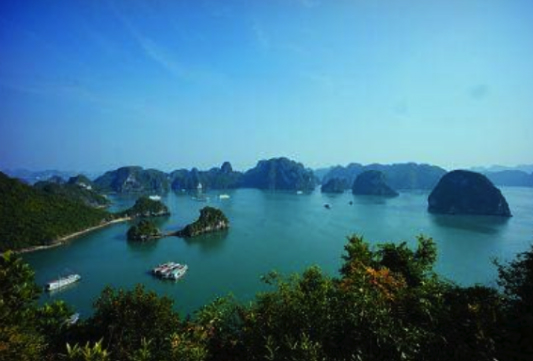
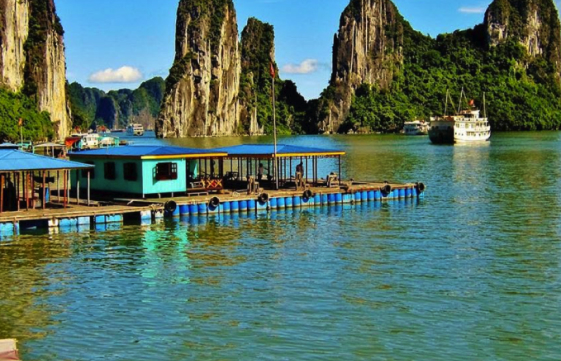
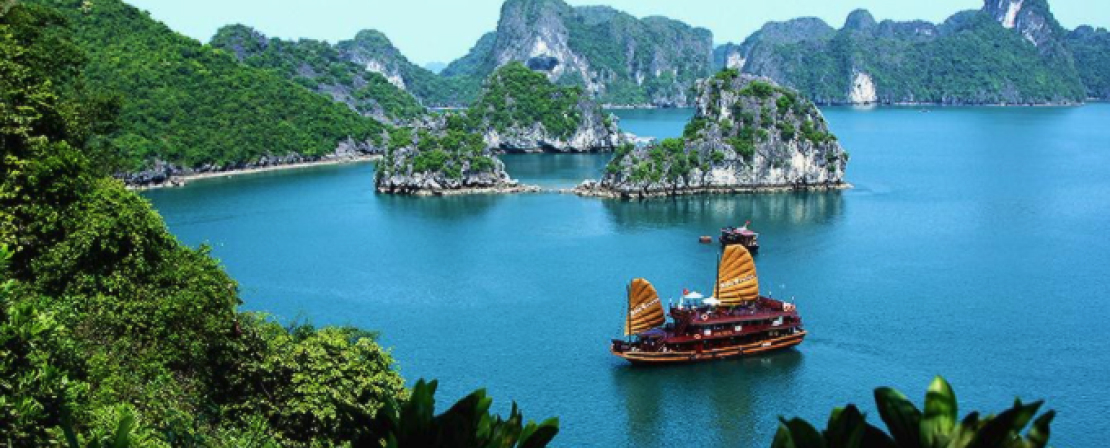
Si vous partez à la découverte du Pays du Dragon, la mystique baie d’Halong ou Vịnh Hạ Long en vietnamien (La baie de descente du dragon) est un incontournable de votre séjour ! Située en mer de Chine méridionale, c’est une étendue d’eau d’environ 1 500 km². Véritable symbole du pays, le site d’Halong compte 120 km de côtes, un panorama marin naturel préservé de 1 969 îles karstiques immergées et un écosystème tropical exceptionnel inscrit au patrimoine mondial de l’UNESCO. L’ensemble compose le plus grand karst marin du monde. Embarquez sur un bateau pour découvrir cette merveille de la nature !

4 - HOI AN

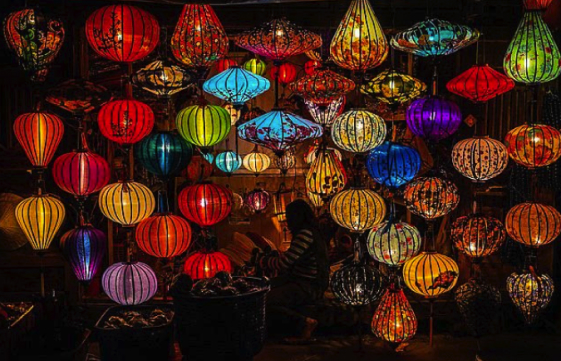
La ville de Hoi An est un exemple exceptionnellement bien conservé d’un port commercial d’Asie du Sud-Est. Ses bâtiments et le plan de ses rues reflètent les influences, indigènes et étrangères, de la Chine, du Japon, de la France, etc. qui se sont combinées pour produire ce site patrimonial unique. Hoi An est très célèbre pour sa vieille ville, classée au patrimoine mondial de l’UNESCO, que vous pouvez facilement visiter à vélo pour découvrir son architecture unique. La nuit, Hoi An est illuminée par des milliers de lanternes qui se reflètent dans la rivière, offrant un spectacle à couper le souffle !

5 - PROVINCE DE NINH BINH

Ninh Binh est une province du nord du Vietnam, à 100 km au sud de Hanoi. Elle abrite le complexe paysager de Trang An, un site de l’UNESCO, ainsi que Tam Coc. La baie d’Halong terrestre, ainsi nommée en raison de ses paysages de pics karstiques au milieu des rizières est typique de Ninh Binh : les montagnes en forme de pain de sucre émergeant de l’eau, semblables à celles de la baie de Hạ Long est l’une des destinations du Vietnam à ne pas manquer ! En plus des paysages à couper le souffle, les aspects culturels et historiques ne manquent pas. Sites touristiques et historiques, parcs nationaux, réserves naturelles, cathédrales, temples et pagodes, croisières entre les montagnes ou balade à vélo à travers les villages et les rizières sont autant de façons de découvrir la beauté de cette région !

Archive Blog Detail

10 HIGHLIGHTS OF VIETNAM
Preparing a trip well is first and foremost about learning about the activities offered by the destination you want to visit. With AsiaMyWay, your local agency specializing in Southeast Asia for over 20 years, we have thought of you. Our local agent Ms Thuong, wishes to share the top of the highlights and the essential places not to be missed during your trip to the Land of the Dragon. A country full of surprises, with diverse influences: let yourself be guided between lush nature, singular architecture and ancestral traditions. To help you on your next trip to this charming and surprising country, we present today the ranking of the 10 must-see stages in Vietnam.

1 - Hanoi

If there is one unmissable stopover during your visit to Vietnam, it is its capital: Hanoi, « the city between the rivers ». This emblematic city of Vietnam stretches along the western bank of the Red River (Sông Hồng) and is undoubtedly one of the most captivating capitals in Southeast Asia. Surrounded by many lakes (Hoan Kiem, Western Lake, White Bamboo) and dotted with dozens of pagodas, Buddhist temples and other religious buildings, it is famous for the richness of its culture, a mixture of traditions and modernity, among influences from Southeast Asia, China and France. This thousand-year-old city will seduce you with its bewitching charm, its centuries-old architecture, or perhaps with the delights of its « Street Food ».

2 - Halong bay

If you are going to discover the Land of the Dragon, the mystical Halong Bay or Vịnh Hạ Long in Vietnamese (Dragon Descent) is an essential part of your stay! Located in the South China Sea, it is a natural marine water bay of more than 43 thousand hectares (1,500 km2, the largest marine karst in the world). The Halong site, a true symbol of the country, has 120km of coastline, a preserved natural marine panorama of 1,969 submerged karst islands, and an exceptional tropical ecosystem that is listed as a UNESCO World Heritage Site. Embark on a boat to discover this wonder of nature!

3 - sapa

This city in the far north of Vietnam, where you can still feel the French colonial influence, is located at an altitude of 1500m and enjoys a mild climate all year round. With a beautiful natural setting, you can admire incredible stepped rice fields as far as the eye can see, mountainous landscapes as well as waterfalls and bamboo forests, making it an ideal region for trekking. The charm of this region also lies in its great ethnic diversity. During your adventure, do not miss visiting the traditional villages, meet its inhabitants and discover their traditions. For the bravest, why not embark on the ascent of Mount Fansipan, « the roof of Indochina »! It culminates at 3143 meters and the fauna and flora are very diverse.

4 - hué

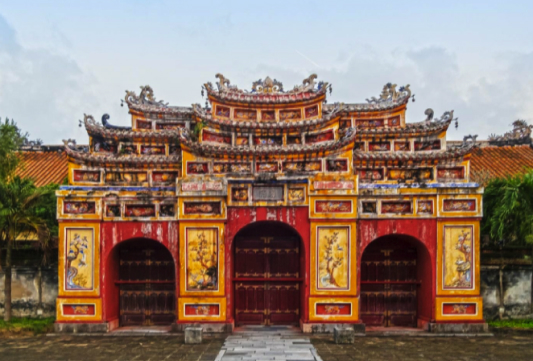
Hue, the former imperial capital of the country! Located in the centre of Vietnam, the city is crossed by the Song Huong River, which separates the city into two parts: in the north, the old city, in the south, the modern city. Hue was the political, cultural and religious centre of the country during the 19th century, and this influence is still felt today. It is an outstanding example of an eastern feudal capital. Plus, all the monuments of Hue are classified as UNESCO World Heritage Sites. The architecture of the city is absolutely incredible! Discover the Citadel of Hue, the Imperial City and the Forbidden Purple City! Stop to visit the mausoleums and tombs of the kings, not to mention the city’s magnificent temples and pagodas.

5 - HOI AN

The city of Hoi An is an exceptionally well preserved example of a commercial port in Southeast Asia. Its buildings and street plan reflect the influences, indigenous and foreign, from China, Japan, France, etc., that have combined to produce this unique heritage site. Hoi An is very famous for its old town, listed as a UNESCO World Heritage Site, which you can easily visit by bike to discover its unique architecture. At night, Hoi An is lit by thousands of lanterns reflected in the river, offering a breath taking spectacle! So don’t miss out on a short night walk and why not take the opportunity to discover the market at night.

6 - My son

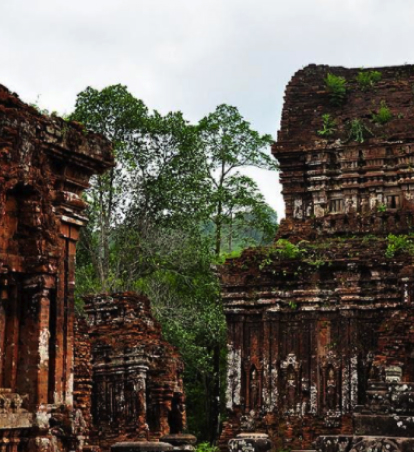
Not far from Hoi An, is the Sanctuary of My Son, a group of Cham temples whose spiritual roots link them to Hinduism. My Son is the most important Cham ruins in Vietnam. This sanctuary was the centre of Hinduism for the once powerful Cham kingdom that dominated central and southern Vietnam for centuries. The Sanctuary is made up of both dynastic and Shiva temples built at the end of the 4th century until the 13th century. For a long time, this site was the religious and political capital of the Kingdom of Champâ. It is a place steeped in history, which has been classified as a UNESCO World Heritage Site since 1999.

7 - Ho-chi-minh city

Prey Nokor in Khmer became Saigon before then in 1975 becoming Ho-Chi-Minh City. It is now the largest city in the country and its economic lung, even before capital Hanoi, and therefore an essential stop on your trip to Vietnam! Located on the banks of the Saigon River and near the Mekong Delta, this city, which was originally a small Khmer fishing village, is now THE metropolis in the south of the country, covering an area of over 2000 km2. Visit the museums relating the terrible Vietnam War and discover the heritage in a very French colonial style!

8 - NINH BINH province

Ninh Binh is a province in northern Vietnam, 100km south of Hanoi. It houses the Trang An landscape complex, a UNESCO site, as well as Tam Coc. The terrestrial Halong Bay, so named because of its landscapes of karst peaks in the middle of the rice fields is typical of Ninh Binh : the sugar loaf-shaped mountains emerging from the water, similar to those of Hạ Long Bay is one of the destinations in Vietnam that you don’t want to miss! In addition to the breathtaking landscapes, there is no shortage of cultural and historical aspects. Tourist and historical sites, national parks, nature reserves, cathedrals, temples and pagodas, cruises between the mountains or a bike ride through villages and rice fields are so many ways to discover the beauty of this region!

9 - can tho (MEKONG delta)

Can Tho is a city in southern Vietnam located in the Mekong Delta. Lush landscapes, immersion in local life, visits to the Khmer pagodas,… it is possible to walk, or cruise between the canals in a small pirogue but when you come to Can Tho it is especially for its floating market, one of the largest in the entire Mekong Delta! You can also go down into the delta for a very… nautical discovery! Indeed, the main charm of the delta lies in its network of rivers and canals and in the whole life that takes place there. Here we don’t walk, we cruise…

10 - mai chau

South of Hanoi, Mai Chau is a small village in a green valley, populated by minority ethnic groups, at the foot of the Hoang Lien Mountains. It has a population of about 50,000, including seven ethnic minority groups – White Thais, Hmong, Zao, Muong, Tay and Hoa in Viet. Hop on bicycles and discover the countryside, cross the villages and stop from time to time to meet the locals, discover their customs and traditions! What to remember about Mai Chau? Its beauty, its tranquility and its atmosphere!

11 - BONUS : Phu quoc ISLAND !

When you imagine heavenly islands with white sandy beaches, surrounded by crystal clear waters, it is usually the Thai neighbour you think of first… But why not let yourself be tempted by Phu Quoc? Phu Quoc is the largest island in Vietnam, part of an archipelago of 22 islands, located in the extreme southwest of the country and dependent on the province of Kien Giang. It is the ideal place to relax at the end of your stay and enjoy the relaxing atmosphere of Southeast Asia. Enjoy the beach, visit the pepper farms, taste seafood, take a boat trip or visit the Duong dong market!

Archive Blog Detail

Festivals & Celebrations in South East Asia

Asian festivals are among the most exotic and spectacular in the world! The month of November in South East Asia coincides with the end of the rainy season, the harvest period, the beginning of the dry season, which involves a number of celebrations and when it comes to honouring the spirits, Asians do not skimp on the means! On the program: illuminations, parades, traditional dance demonstrations, boat races, etc.
It’s worth synchronizing your trip to Asia with one of these celebrations! So if you have the chance to travel to South East Asia before the end of the year, here is a list of Festivities not to be missed!


Thailande – Loy Krathong /   CHIANG MAI – yee peng 

Venue : November 

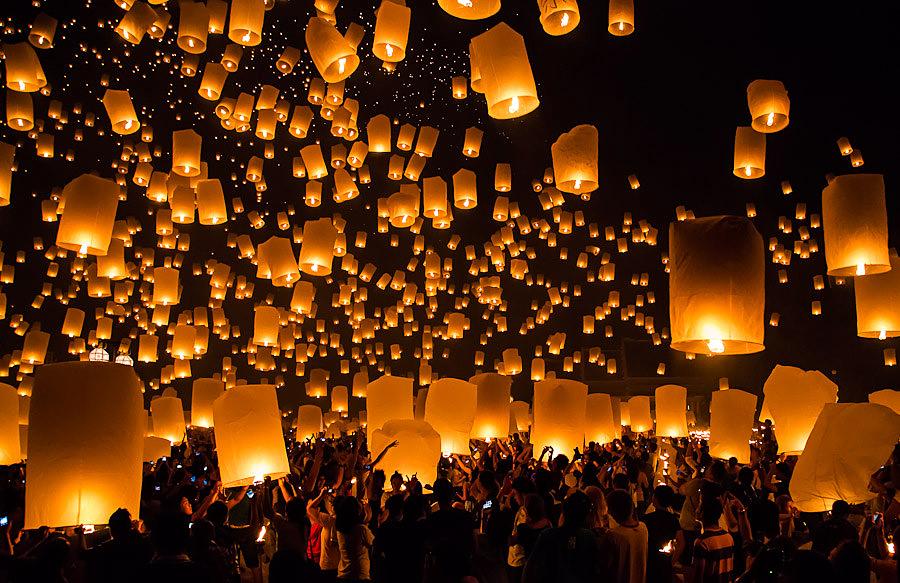
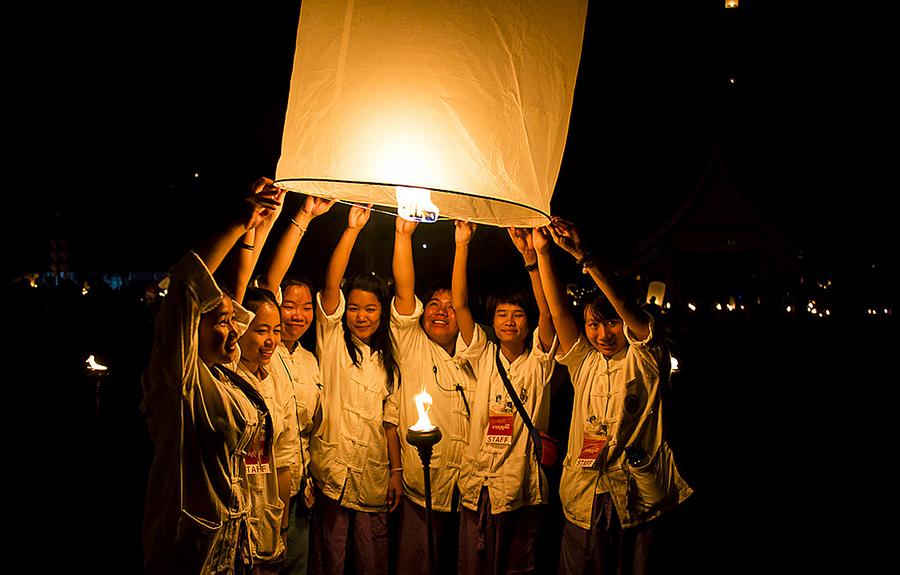
Every year in Thailand, Loy Kratong, also known as the Festival of Lights, is held where thousands of candlelit paper lanterns are released into the sky and onto the Ping River, one of the country’s most important cultural events. The festival takes place on the full moon of the 12th lunar month of the Thai calendar (usually in mid-November). The release of the lanterns symbolizes for the Thais the « letting go of all the bad spirits and misfortunes of the previous year ».
In Chiang Mai, the celebration of Loy Krathong is known as Yee Peng, again as part of the 12th month of the Thai lunar calendar, the 2nd month of the traditional calendar of the Lanna ancient kingdom.
Generally speaking, the festival is celebrated throughout the country for 2 days, in Chiang Mai, its duration can reach up tp one week during which many presentations and events take place, including parades, fireworks, sound and light shows, the Lanna style decoration contest, but the most awaited of all is the famous beauty contest bringing together, all in one a parade, the most beautiful women of Chiang Mai province.

To celebrate the Festival of Lights, people from northern Thailand often use 4 different types of lanterns, which are called Khom. They are made from paper, inside which is placed a candle to illuminate the whole.
Khom Theua: is a small lantern that people wear during the parade. Later, it will be used to decorate temples.
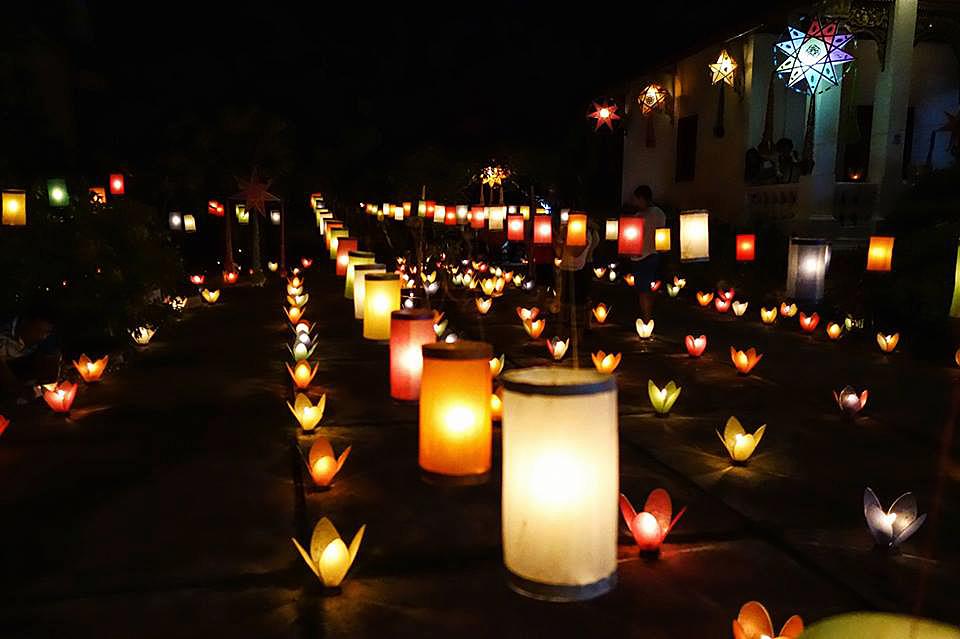
Khom Kwaen: is a small lantern that is hung from temples as an offering to Buddha. They can take 4 forms depending on the context: the alms bowl, a star, a wheel and a basket
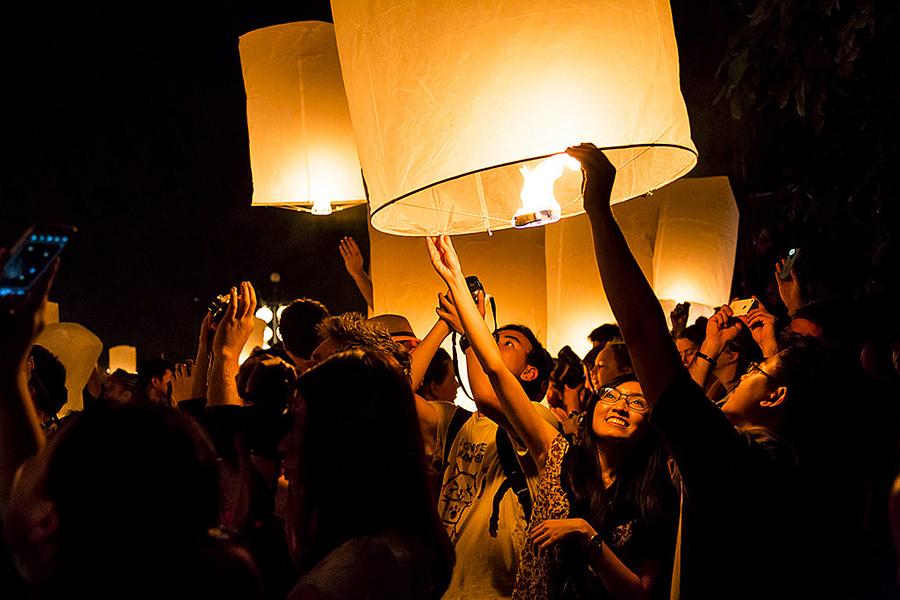
Khom Loy: Also known as Khom Fai, it is a cylindrical paper measuring 1m high, inside of which are placed some firecrackers and explosives that are supposed to explode once the balloon is thrown into the air. The launch of the Khom Loy in Chiang Mai is an exceptional event. During that time, the sky is covered with a mass of illuminated balloons whose reflection on the water provides a dazzling spectacle. It’s an emotionally rich experience that’s really worth a visit!
Khratong: (or floating light) It is made from banana leaves whose shape is closely related to that of the lotus. The Khratong contains a lit candle, some flowers to decorate and incense to perfume it. The inhabitants drop these small boats off along rivers and other water points, not only to thank the water goddess (this festival marks the end of the rainy season) but also to atone for the mistakes made throughout the year.

laos - boun ok phansa / boun lai heua fai

Venue: November

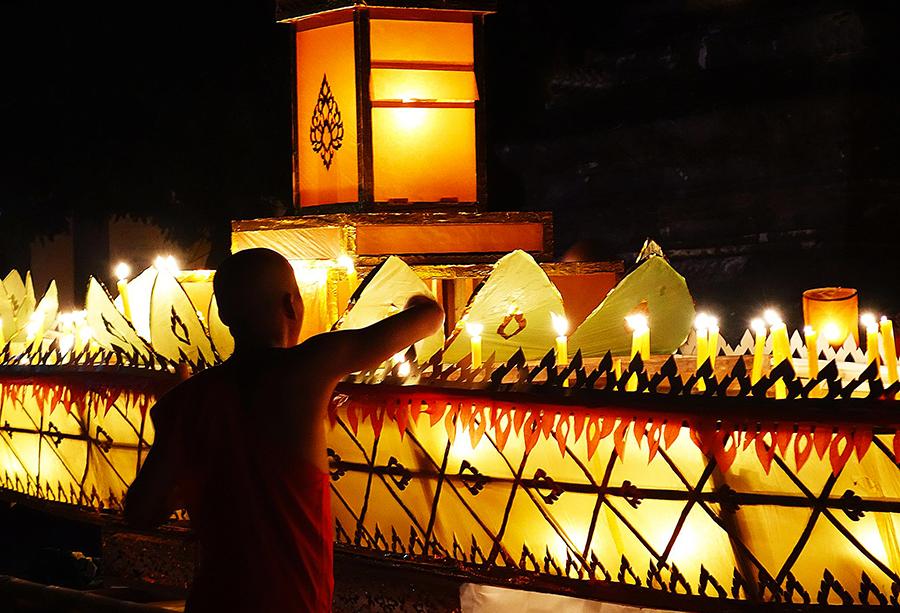
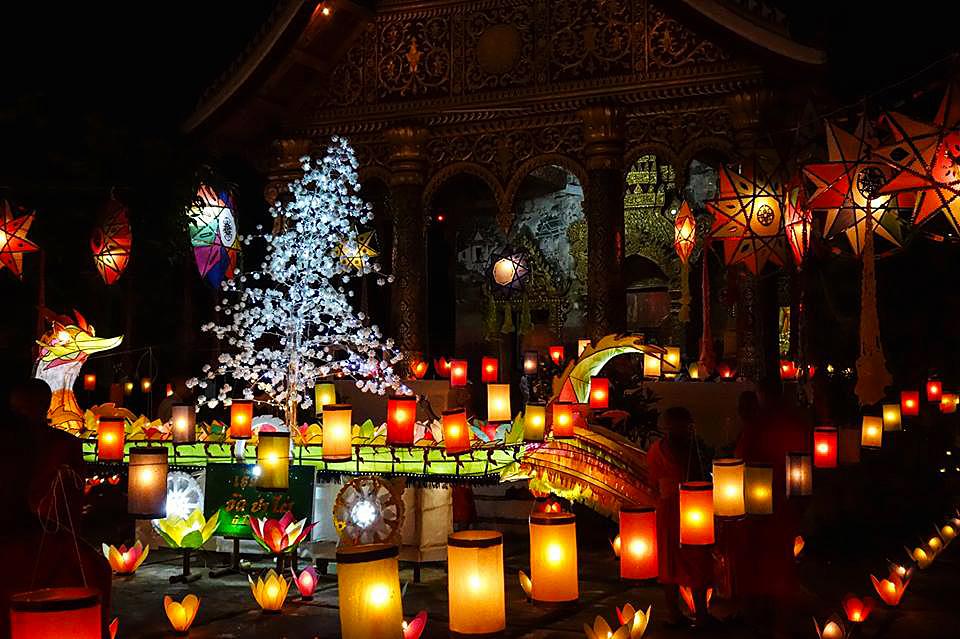
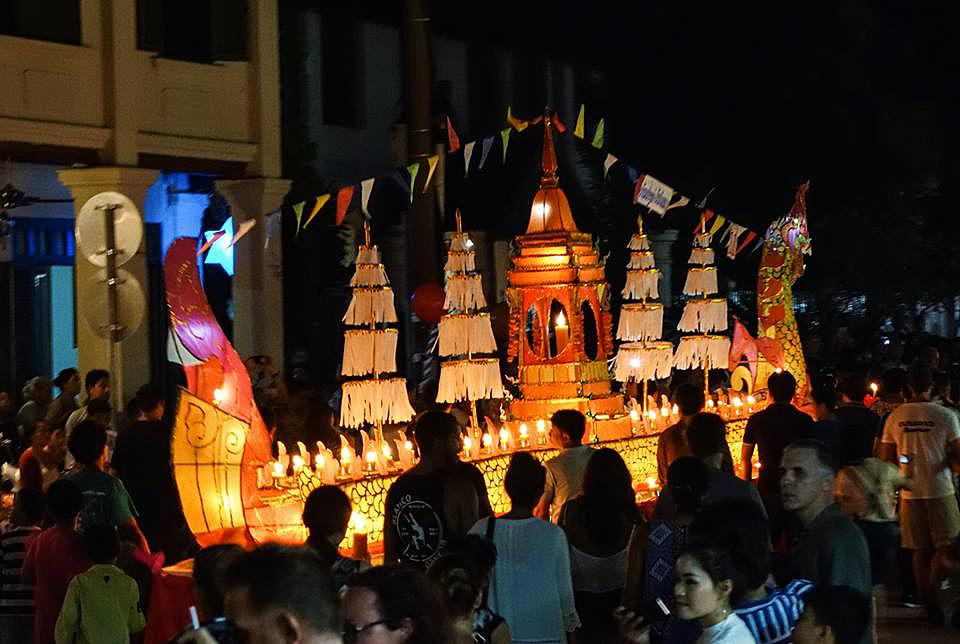
In Laos, Boun Ok Phansa is the holy day marking the end of Buddhist Lent and the end of the rainy season; the next day is Boun Lai Heua Fai: the festival of boat lanterns (taking place the next day) which pays tribute to the Mekong and the dead, it is one of the most important celebrations in the country ! Traditionally, Boun Ok Phansa is an opportunity to honour the spirits of the Mekong. We think that disease, bad luck and all that is negative can be carried away by the river. In the weeks before this festival, novices and monks decorate the temples with paper lanterns and villages make their boat lanterns out of bamboo and paper. The temples are all nicely lit, so that everyone walks from temple to temple at night. On the big day, the lanterns of the big boats are lit and are marched along the main street to Wat Xieng thong where they descend into the Mekong. People buy or make lanterns from banana tree trunks and flowers, light them, make a wish and put them in the river. The whole river seems to be lighting up, it’s a spectacular night. 

cambodia – water festival / boat race

Venue: November

Bon Om Touk, also known as the « Water Festival », is an annual Cambodian celebration that takes place mainly in Phnom Penh, the capital of Cambodia, but also in Angkor. Bon Om Touk is a celebration of the end of the rainy season at the full moon of the Buddhist month of Kadeuk. The full moon is considered a good luck charm that can lead to an abundant harvest. On the Western calendar, Bon Om Touk falls in October or early November.
Heavy monsoon rains cause the Mekong River to reverse its course and push back into the very large Tonle Sap Lake, far upstream. The lake therefore overflows its normal limits, which provides a lot of water for the main event in Bon Om Touk, the annual pirogue race. Once the Mekong River and the Tonle Sap River, which connects the Mekong River to Tonle Sap Lake, begin to flow back to the sea, you know it is almost time for Bon Om Touk. The withdrawal of the water also leaves rich sediments that will help local farmers in the upcoming year. However, be aware that in years of low water, the annual boat race can be cancelled.
For three consecutive days, the celebrations continue, with people from all over Cambodia coming to Phnom Penh to take part in the festivities. Day and night, the celebration continues. Activities include music concerts, traditional dance demonstrations and Aboriginal food feasts. The regatta often includes up to 400 racing boats, each decorated with bright colours and rowed by about forty men, who are usually monks. There are prizes for the winners, and dancers and drummers on board that keep the rowers in the right rhythm.

myanmar - hot air balloon festival - taungyi

Venue: 17-22 November 2018

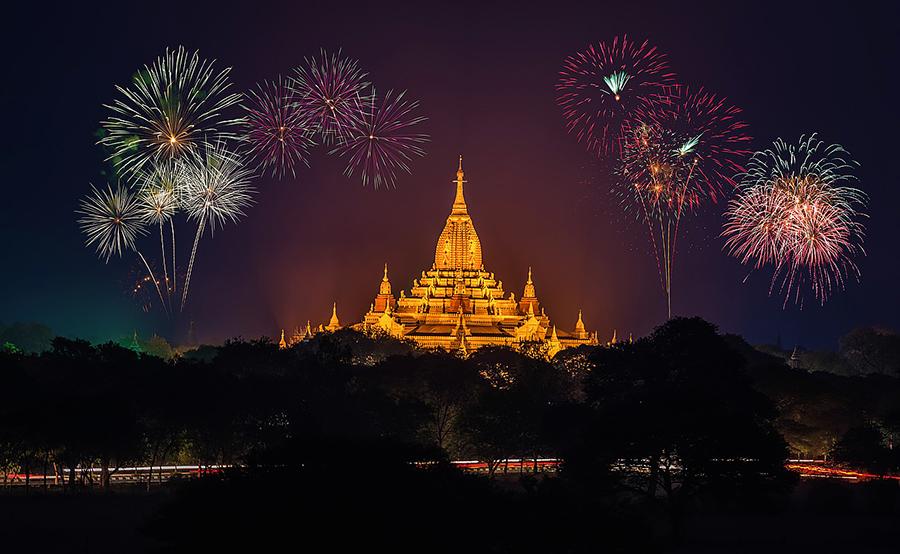
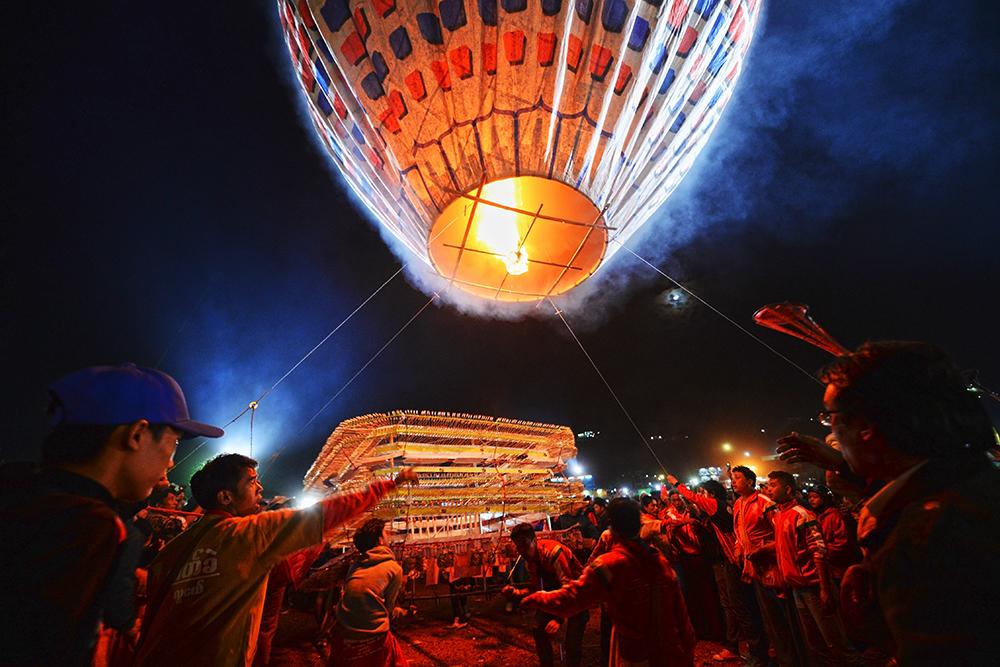
The festival takes place every year, during the full moon of November, this year, from 17th to 22nd November in Taunggyi, capital of Shan State. This is an important month that marks the end of the rainy season and the beginning of winter. The « Hot Air Balloon » festival is one of Burma’s most popular events, each year balloons are sent to the sky as a sign of offering to the good spirits and as a tribute to the Sulamani Pagoda.
The Tazaungdaing festival takes place over a week: 5 days of qualifying and two days of finals. It ends on the day of the full moon in November. The teams, representing the different districts of Taunggyi, are preparing for a year of competition. The objective is to successfully fly the most elaborate and decorated balloon. Hot air balloons are made of paper, by hand. They are decorated with fireworks, firecrackers and candles. Every evening, music and parades accompany the placement of the balloons on the central lawn.

vietnam - Ooc Om bok

Venue: November 

Ooc Om Bok is one of the liveliest festivals in the Khmer calendar. The Vietnamese of the Mekong Delta take this opportunity to thank the god of the moon for the good rice harvests and abundant fish catches, and to celebrate the end of the Khmer year. Fruits and vegetables are offered as an offering to the gods at midnight. Thousands of visitors gather to attend boat races, and ethnic dance and music are guaranteed. It is also an opportunity to celebrate the end of the rainy season and the beginning of the dry season.
The harvest period is very important and this is one of the main reasons for the celebration. If you travel to Vietnam, the harvest period is extremely interesting. The rice fields that were flooded when the rice was planted are now dry and the golden rice gives the rice fields a completely different appearance.

Archive Blog Detail

Festivals & Celebrations in South East Asia

Asian festivals are among the most exotic and spectacular in the world! The month of November in South East Asia coincides with the end of the rainy season, the harvest period, the beginning of the dry season, which involves a number of celebrations and when it comes to honouring the spirits, Asians do not skimp on the means! On the program: illuminations, parades, traditional dance demonstrations, boat races, etc.
It’s worth synchronizing your trip to Asia with one of these celebrations! So if you have the chance to travel to South East Asia before the end of the year, here is a list of Festivities not to be missed!


Thailande – Loy Krathong /   CHIANG MAI – yee peng 

Venue : November 

Every year in Thailand, Loy Kratong, also known as the Festival of Lights, is held where thousands of candlelit paper lanterns are released into the sky and onto the Ping River, one of the country’s most important cultural events. The festival takes place on the full moon of the 12th lunar month of the Thai calendar (usually in mid-November). The release of the lanterns symbolizes for the Thais the « letting go of all the bad spirits and misfortunes of the previous year ».
In Chiang Mai, the celebration of Loy Krathong is known as Yee Peng, again as part of the 12th month of the Thai lunar calendar, the 2nd month of the traditional calendar of the Lanna ancient kingdom.
Generally speaking, the festival is celebrated throughout the country for 2 days, in Chiang Mai, its duration can reach up tp one week during which many presentations and events take place, including parades, fireworks, sound and light shows, the Lanna style decoration contest, but the most awaited of all is the famous beauty contest bringing together, all in one a parade, the most beautiful women of Chiang Mai province.

To celebrate the Festival of Lights, people from northern Thailand often use 4 different types of lanterns, which are called Khom. They are made from paper, inside which is placed a candle to illuminate the whole.
Khom Theua: is a small lantern that people wear during the parade. Later, it will be used to decorate temples.
Khom Kwaen: is a small lantern that is hung from temples as an offering to Buddha. They can take 4 forms depending on the context: the alms bowl, a star, a wheel and a basket
Khom Loy: Also known as Khom Fai, it is a cylindrical paper measuring 1m high, inside of which are placed some firecrackers and explosives that are supposed to explode once the balloon is thrown into the air. The launch of the Khom Loy in Chiang Mai is an exceptional event. During that time, the sky is covered with a mass of illuminated balloons whose reflection on the water provides a dazzling spectacle. It’s an emotionally rich experience that’s really worth a visit!
Khratong: (or floating light) It is made from banana leaves whose shape is closely related to that of the lotus. The Khratong contains a lit candle, some flowers to decorate and incense to perfume it. The inhabitants drop these small boats off along rivers and other water points, not only to thank the water goddess (this festival marks the end of the rainy season) but also to atone for the mistakes made throughout the year.

laos - boun ok phansa / boun lai heua fai

Venue: November

In Laos, Boun Ok Phansa is the holy day marking the end of Buddhist Lent and the end of the rainy season; the next day is Boun Lai Heua Fai: the festival of boat lanterns (taking place the next day) which pays tribute to the Mekong and the dead, it is one of the most important celebrations in the country ! Traditionally, Boun Ok Phansa is an opportunity to honour the spirits of the Mekong. We think that disease, bad luck and all that is negative can be carried away by the river. In the weeks before this festival, novices and monks decorate the temples with paper lanterns and villages make their boat lanterns out of bamboo and paper. The temples are all nicely lit, so that everyone walks from temple to temple at night. On the big day, the lanterns of the big boats are lit and are marched along the main street to Wat Xieng thong where they descend into the Mekong. People buy or make lanterns from banana tree trunks and flowers, light them, make a wish and put them in the river. The whole river seems to be lighting up, it’s a spectacular night. 

cambodia – water festival / boat race

Venue: November

Bon Om Touk, also known as the « Water Festival », is an annual Cambodian celebration that takes place mainly in Phnom Penh, the capital of Cambodia, but also in Angkor. Bon Om Touk is a celebration of the end of the rainy season at the full moon of the Buddhist month of Kadeuk. The full moon is considered a good luck charm that can lead to an abundant harvest. On the Western calendar, Bon Om Touk falls in October or early November.
Heavy monsoon rains cause the Mekong River to reverse its course and push back into the very large Tonle Sap Lake, far upstream. The lake therefore overflows its normal limits, which provides a lot of water for the main event in Bon Om Touk, the annual pirogue race. Once the Mekong River and the Tonle Sap River, which connects the Mekong River to Tonle Sap Lake, begin to flow back to the sea, you know it is almost time for Bon Om Touk. The withdrawal of the water also leaves rich sediments that will help local farmers in the upcoming year. However, be aware that in years of low water, the annual boat race can be cancelled.
For three consecutive days, the celebrations continue, with people from all over Cambodia coming to Phnom Penh to take part in the festivities. Day and night, the celebration continues. Activities include music concerts, traditional dance demonstrations and Aboriginal food feasts. The regatta often includes up to 400 racing boats, each decorated with bright colours and rowed by about forty men, who are usually monks. There are prizes for the winners, and dancers and drummers on board that keep the rowers in the right rhythm.

myanmar - hot air balloon festival - taungyi

Venue: 17-22 November 2018

The festival takes place every year, during the full moon of November, this year, from 17th to 22nd November in Taunggyi, capital of Shan State. This is an important month that marks the end of the rainy season and the beginning of winter. The « Hot Air Balloon » festival is one of Burma’s most popular events, each year balloons are sent to the sky as a sign of offering to the good spirits and as a tribute to the Sulamani Pagoda.
The Tazaungdaing festival takes place over a week: 5 days of qualifying and two days of finals. It ends on the day of the full moon in November. The teams, representing the different districts of Taunggyi, are preparing for a year of competition. The objective is to successfully fly the most elaborate and decorated balloon. Hot air balloons are made of paper, by hand. They are decorated with fireworks, firecrackers and candles. Every evening, music and parades accompany the placement of the balloons on the central lawn.

vietnam - Ooc Om bok

Venue: November 

Ooc Om Bok is one of the liveliest festivals in the Khmer calendar. The Vietnamese of the Mekong Delta take this opportunity to thank the god of the moon for the good rice harvests and abundant fish catches, and to celebrate the end of the Khmer year. Fruits and vegetables are offered as an offering to the gods at midnight. Thousands of visitors gather to attend boat races, and ethnic dance and music are guaranteed. It is also an opportunity to celebrate the end of the rainy season and the beginning of the dry season.
The harvest period is very important and this is one of the main reasons for the celebration. If you travel to Vietnam, the harvest period is extremely interesting. The rice fields that were flooded when the rice was planted are now dry and the golden rice gives the rice fields a completely different appearance.

Archive Blog Detail

10 HIGHLIGHTS OF VIETNAM
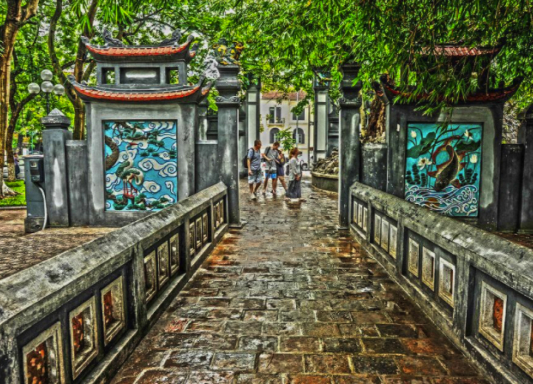
Preparing a trip well is first and foremost about learning about the activities offered by the destination you want to visit. With AsiaMyWay, your local agency specializing in Southeast Asia for over 20 years, we have thought of you. Our local agent Ms Thuong, wishes to share the top of the highlights and the essential places not to be missed during your trip to the Land of the Dragon. A country full of surprises, with diverse influences: let yourself be guided between lush nature, singular architecture and ancestral traditions. To help you on your next trip to this charming and surprising country, we present today the ranking of the 10 must-see stages in Vietnam.

1 - Hanoi

If there is one unmissable stopover during your visit to Vietnam, it is its capital: Hanoi, « the city between the rivers ». This emblematic city of Vietnam stretches along the western bank of the Red River (Sông Hồng) and is undoubtedly one of the most captivating capitals in Southeast Asia. Surrounded by many lakes (Hoan Kiem, Western Lake, White Bamboo) and dotted with dozens of pagodas, Buddhist temples and other religious buildings, it is famous for the richness of its culture, a mixture of traditions and modernity, among influences from Southeast Asia, China and France. This thousand-year-old city will seduce you with its bewitching charm, its centuries-old architecture, or perhaps with the delights of its « Street Food ».

2 - Halong bay

If you are going to discover the Land of the Dragon, the mystical Halong Bay or Vịnh Hạ Long in Vietnamese (Dragon Descent) is an essential part of your stay! Located in the South China Sea, it is a natural marine water bay of more than 43 thousand hectares (1,500 km2, the largest marine karst in the world). The Halong site, a true symbol of the country, has 120km of coastline, a preserved natural marine panorama of 1,969 submerged karst islands, and an exceptional tropical ecosystem that is listed as a UNESCO World Heritage Site. Embark on a boat to discover this wonder of nature!

3 - sapa

This city in the far north of Vietnam, where you can still feel the French colonial influence, is located at an altitude of 1500m and enjoys a mild climate all year round. With a beautiful natural setting, you can admire incredible stepped rice fields as far as the eye can see, mountainous landscapes as well as waterfalls and bamboo forests, making it an ideal region for trekking. The charm of this region also lies in its great ethnic diversity. During your adventure, do not miss visiting the traditional villages, meet its inhabitants and discover their traditions. For the bravest, why not embark on the ascent of Mount Fansipan, « the roof of Indochina »! It culminates at 3143 meters and the fauna and flora are very diverse.

4 - hué

Hue, the former imperial capital of the country! Located in the centre of Vietnam, the city is crossed by the Song Huong River, which separates the city into two parts: in the north, the old city, in the south, the modern city. Hue was the political, cultural and religious centre of the country during the 19th century, and this influence is still felt today. It is an outstanding example of an eastern feudal capital. Plus, all the monuments of Hue are classified as UNESCO World Heritage Sites. The architecture of the city is absolutely incredible! Discover the Citadel of Hue, the Imperial City and the Forbidden Purple City! Stop to visit the mausoleums and tombs of the kings, not to mention the city’s magnificent temples and pagodas.

5 - HOI AN

The city of Hoi An is an exceptionally well preserved example of a commercial port in Southeast Asia. Its buildings and street plan reflect the influences, indigenous and foreign, from China, Japan, France, etc., that have combined to produce this unique heritage site. Hoi An is very famous for its old town, listed as a UNESCO World Heritage Site, which you can easily visit by bike to discover its unique architecture. At night, Hoi An is lit by thousands of lanterns reflected in the river, offering a breath taking spectacle! So don’t miss out on a short night walk and why not take the opportunity to discover the market at night.

6 - My son

Not far from Hoi An, is the Sanctuary of My Son, a group of Cham temples whose spiritual roots link them to Hinduism. My Son is the most important Cham ruins in Vietnam. This sanctuary was the centre of Hinduism for the once powerful Cham kingdom that dominated central and southern Vietnam for centuries. The Sanctuary is made up of both dynastic and Shiva temples built at the end of the 4th century until the 13th century. For a long time, this site was the religious and political capital of the Kingdom of Champâ. It is a place steeped in history, which has been classified as a UNESCO World Heritage Site since 1999.

7 - Ho-chi-minh city

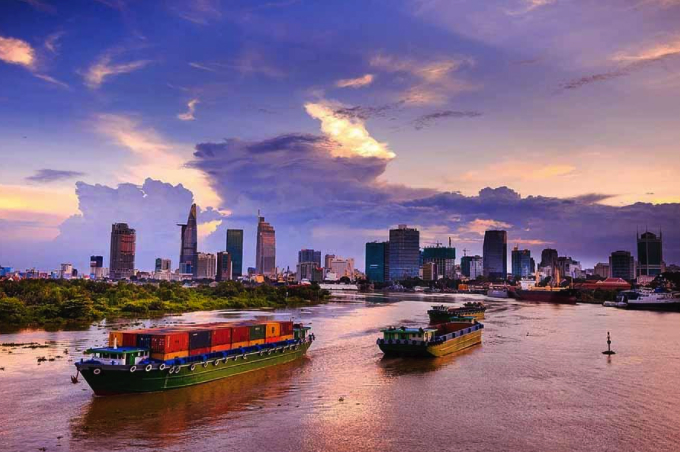
Prey Nokor in Khmer became Saigon before then in 1975 becoming Ho-Chi-Minh City. It is now the largest city in the country and its economic lung, even before capital Hanoi, and therefore an essential stop on your trip to Vietnam! Located on the banks of the Saigon River and near the Mekong Delta, this city, which was originally a small Khmer fishing village, is now THE metropolis in the south of the country, covering an area of over 2000 km2. Visit the museums relating the terrible Vietnam War and discover the heritage in a very French colonial style!

8 - NINH BINH province

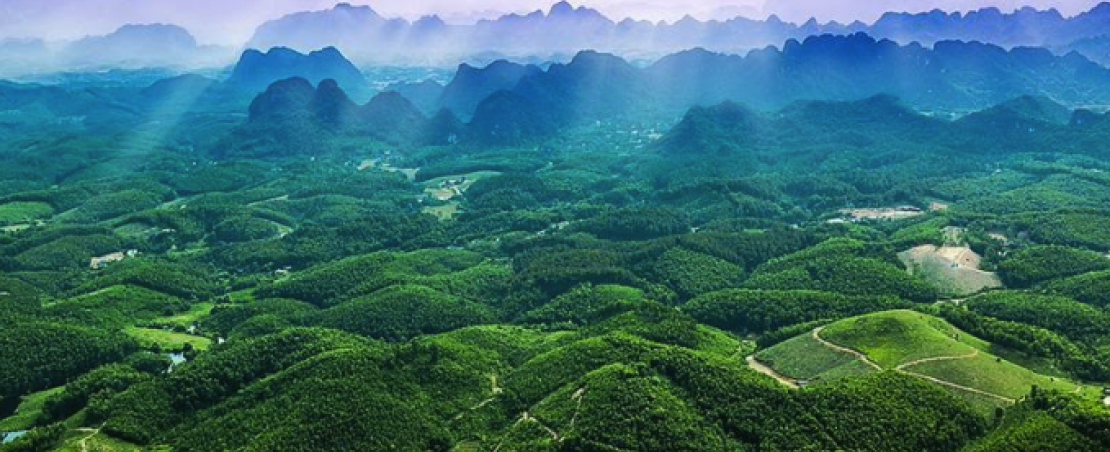
Ninh Binh is a province in northern Vietnam, 100km south of Hanoi. It houses the Trang An landscape complex, a UNESCO site, as well as Tam Coc. The terrestrial Halong Bay, so named because of its landscapes of karst peaks in the middle of the rice fields is typical of Ninh Binh : the sugar loaf-shaped mountains emerging from the water, similar to those of Hạ Long Bay is one of the destinations in Vietnam that you don’t want to miss! In addition to the breathtaking landscapes, there is no shortage of cultural and historical aspects. Tourist and historical sites, national parks, nature reserves, cathedrals, temples and pagodas, cruises between the mountains or a bike ride through villages and rice fields are so many ways to discover the beauty of this region!

9 - can tho (MEKONG delta)

Can Tho is a city in southern Vietnam located in the Mekong Delta. Lush landscapes, immersion in local life, visits to the Khmer pagodas,… it is possible to walk, or cruise between the canals in a small pirogue but when you come to Can Tho it is especially for its floating market, one of the largest in the entire Mekong Delta! You can also go down into the delta for a very… nautical discovery! Indeed, the main charm of the delta lies in its network of rivers and canals and in the whole life that takes place there. Here we don’t walk, we cruise…

10 - mai chau

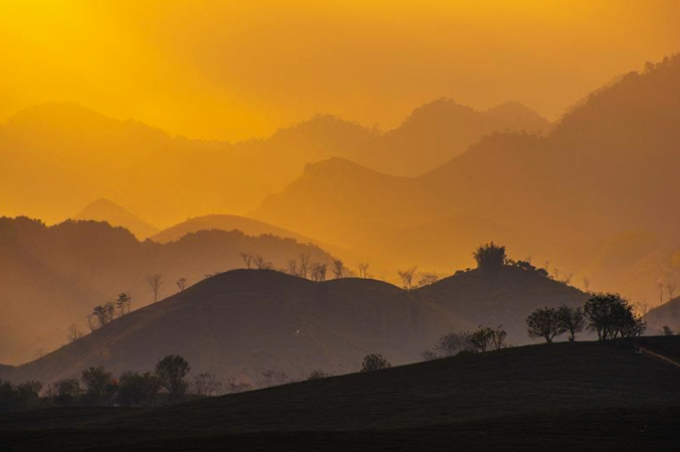
South of Hanoi, Mai Chau is a small village in a green valley, populated by minority ethnic groups, at the foot of the Hoang Lien Mountains. It has a population of about 50,000, including seven ethnic minority groups – White Thais, Hmong, Zao, Muong, Tay and Hoa in Viet. Hop on bicycles and discover the countryside, cross the villages and stop from time to time to meet the locals, discover their customs and traditions! What to remember about Mai Chau? Its beauty, its tranquility and its atmosphere!

11 - BONUS : Phu quoc ISLAND !

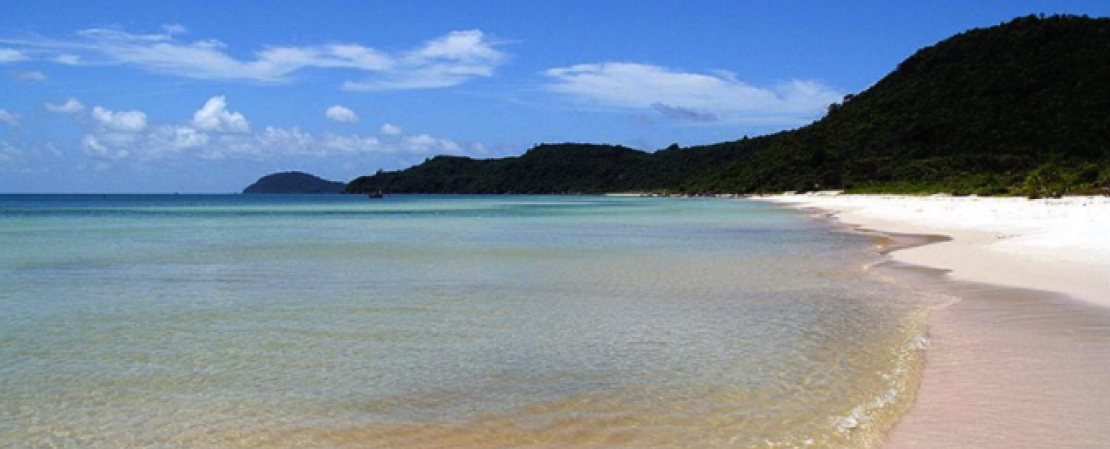
When you imagine heavenly islands with white sandy beaches, surrounded by crystal clear waters, it is usually the Thai neighbour you think of first… But why not let yourself be tempted by Phu Quoc? Phu Quoc is the largest island in Vietnam, part of an archipelago of 22 islands, located in the extreme southwest of the country and dependent on the province of Kien Giang. It is the ideal place to relax at the end of your stay and enjoy the relaxing atmosphere of Southeast Asia. Enjoy the beach, visit the pepper farms, taste seafood, take a boat trip or visit the Duong dong market!