VOYAGES A LA CARTE
NOS VALEURS

Archive Blog Detail

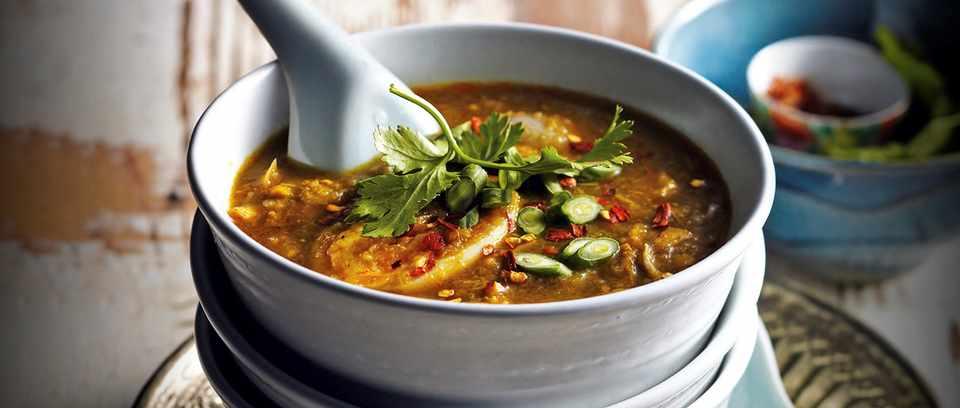
Cuisine Tip: Mohingar Recipe – Myanmar

Discover the world’s cuisine through the best kept recipes. Today we wish to give you the secrets to succeed a typical Burmese dish: the Mohingar.

What is Mohingar?

Fish noodle soup is one of the most traditional dishes in Myanmar. It is an original blend of ingredients that contribute harmoniously to the making of this delicious dish. It’s a mix of rice noodles that has become the most popular snack here in Myanmar served at most social or religious gatherings.

It is the most popular of dishes, now considered the all-day meal in many villages and towns of the country. The Mohingar is also served with a mix of all kinds of toppings, however nowadays ready-to-use packets of powder are sold to make the broth.

Street vendors, walking around neighborhoods where they have regular customers, are the main sellers of this popular dish. They carry a cauldron of soup on a frying pan hung on one side of a pole that they carry on their shoulder and rice vermicelli and other ingredients with bowls and spoons on the other. It is also possible to taste this typical dish all day, in restaurants, tea houses or other street vendor.

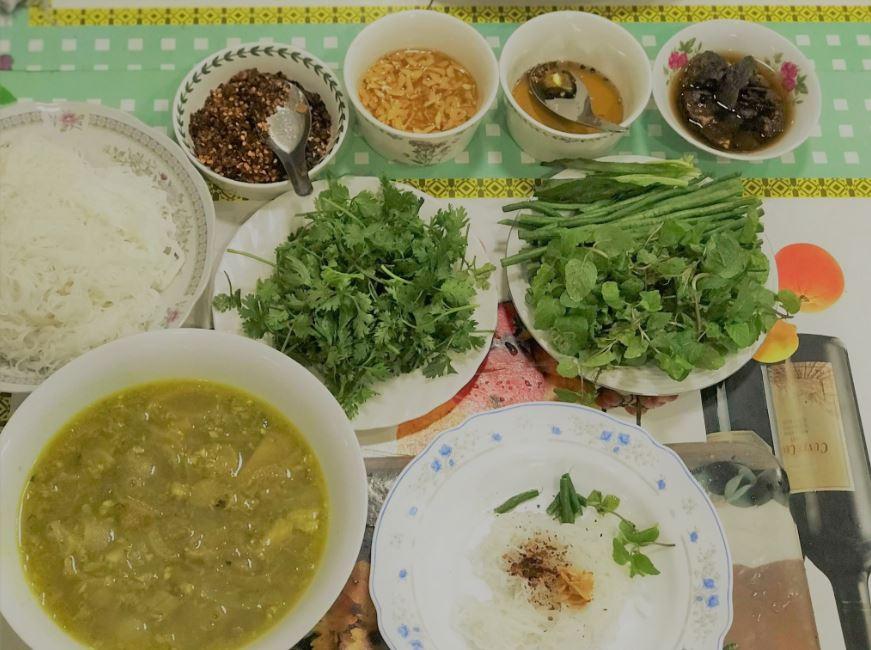
Mohingar is a mixture of the main ingredients: fish, fish paste, pea powder and banana kernel. Also contains several spices namely garlic, onion, ginger, pepper, turmeric powder and lemongrass. Served with boiled eggs, fried squash, peas, onion donuts and homemade fish cakes.

Ingredients

  • ½ cup of peanut oil
  • 1 teaspoon of turmeric powder
  • ½ red onion, finely sliced
  • 1 stem of lemongrass, only white part, finely sliced
  • 2 cm slice of ginger, finely sliced
  • 2 garlic cloves, finely sliced
  • 2 tbsp.  shrimp paste
  • 1 teaspoon of sweet paprika
  • 3 tablespoons cooked and crushed chickpeas
  • 85 g of grilled rice powder
  • 4 tablespoons fish sauce
  • 2 Asian shallots, peeled
  • 2 boiled eggs, sliced
  • 100 g of boiled banana (alternatively, use the banana flower)
  • 600 g cooked vermicelli
  • 4 sprigs of coriander, to garnish
  • 4 snake beans, finely sliced
  • Pinch of dried chili flakes

For the broth:

  • 1 whole catfish, cleaned
  • 1 stem of lemongrass,
  • 2 crushed garlic gloves
  • 1 teaspoon of turmeric powder
  • 2 liters of cold water

For the Chili paste:

  • 3 stalks of lemongrass, white part only, finely sliced
  • 4 whole dried peppers
  • 4 Asian red shallots, diced
  • 4 garlic cloves, diced
  • 2 cm ginger, finely sliced

Preparation:

To make the broth, add the catfish, lemongrass, garlic, turmeric and water to a large saucepan or pot. Bring to the boil over high heat and skim the impurities that rise to the surface. Reduce to low heat and simmer for 20 minutes. Filter the broth and remove the fish flesh from the bones. Set aside and reserve the broth.

Meanwhile, make the paste, in a mortar and pestle, crush the lemongrass, peppers, red shallots, garlic and ginger in a nice paste.

Keep aside.

Heat the peanut oil in a saucepan over low and medium heat and add the turmeric. Then add the chili paste. Add the red onion, lemongrass, ginger and garlic. Cook for 5-6 minutes. Add the flaked fish and coat it in the paste. Fry over medium-low heat for 20 minutes. Add the shrimp paste and paprika. Continue to cook over low heat for another 5 minutes to infuse the flavors.

Return the broth to the pot, place over medium heat. Add crushed chickpeas, rice powder, fish sauce and flaked fish mixture. Season with salt and black pepper. Reduce heat and simmer for 30 minutes. Add the shallots and the boiled egg. Add the banana.

Divide the vermicelli noodles between 4 bowls. Pour the broth over the noodles. Garnish with coriander, beans and chili flakes to serve.

Archive Blog Detail

Discovering Myanmar

3 reasons why choose to visit myanmar:


Shan state: between traditional cities and picturesque nature 

How to multiply trips in one and get off the beaten track? Keng Tung is probably the solution. Located in the middle of a valley of rice fields in the east of Shan State, surrounded by more than 2,000 m of high mountains, this city is ideal for hiking and walking without leaving the city. Discover the high hills and steep slopes by stopping at the villages established near the rivers and living rice crops. Moreover, this friendly city is a superb opportunity to become aware of the great ethnic diversity of the country and to meet these inhabitants. You will access this hidden treasure by the Thai border of Tachileik.


Burmese culture, embodied by the locals

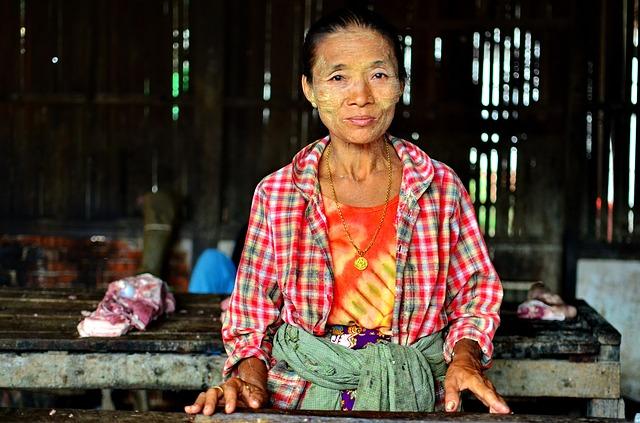
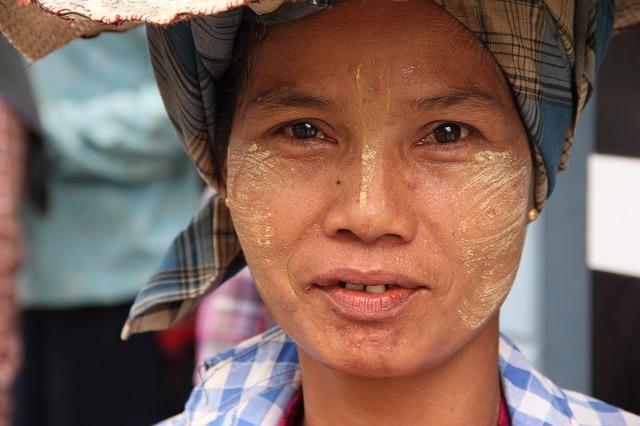
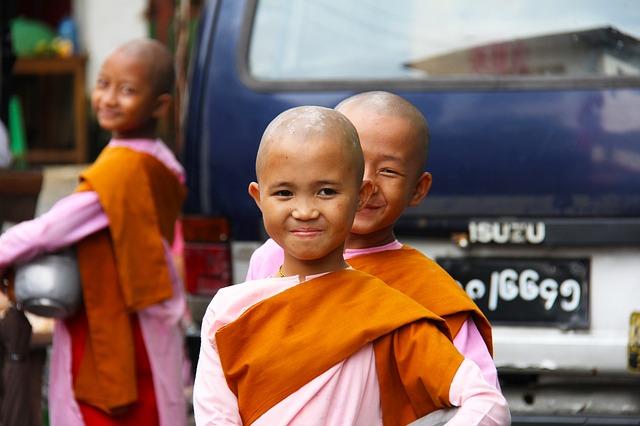
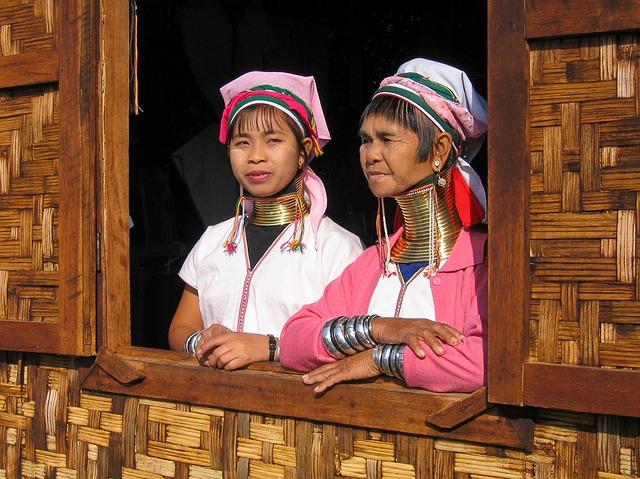
You will have understood it, this country is also a country of human adventures: the treks close to Ho Kyin will be the occasion of thousand finds. First of all the green tea plantations of the mountains hidden in the heart of green valleys and to which access is made thanks to narrow and steep roads, but also the pearls of the places that are the mountain tribes Akha, Lahu, Ann… These people believe in various religions (Buddhist, animist and also Christian) and your eyes will very quickly recognize them by their distinct fabrics. But the place where you can see all minorities interacting together is of course the market, where ethnic groups buy and sell each other’s specialities. One of the largest is the one in Bogyoke known as Scott Market. Its 2000 shops offer the largest selection of typical Burmese handicrafts and objects from all over the country: fabrics, precious stones (jade, rubies and sapphires), basketry and braided bamboo, lacquers, puppets, antiques… In Wan Kan, rice wine is in the spotlight, and in Wan Lau it is Shan paper. Those traditional tribes live modestly, their way of life has not changed for many years, and they all have have their own traditions. By this journey, you will have a front row seat to appreciate their kindness, their welcome and their know-how. Then wander and lose yourself with them for an unforgettable human sharing…


The spiritual approach and the influences of Buddhism

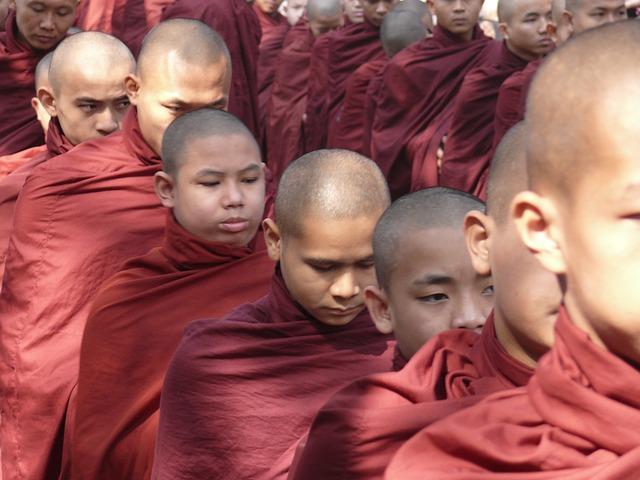
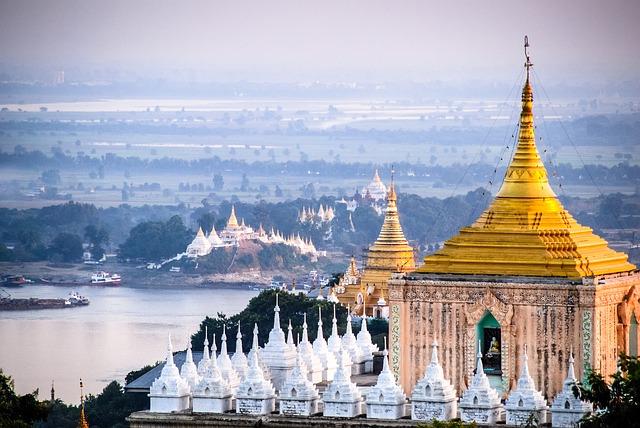
In Burma, Buddhism is the most widely practiced religion. The religious fervour in Burma is truly impressive. Temples, monasteries and pagodas blend into the scenery of a powerful nature. How to feel this Buddhist fervor? On your way, stop at the Shwe Yan Pyay Monastery, an amazing 19th century monastery, its huge Burmese teak facades are breath taking, pierced with equally grand oval windows…but one of the most unforgettable monasteries is Nga Hpe Chaung. Sail along the river to this magnificent building where jumping cats will welcome you with their multiple pirouettes, and lead you to the huge collection of Buddha, for a surprising and total Buddhist immersion.

Archive Blog Detail

The three highlights of Myanmar

1-     a cruise of Inle lake

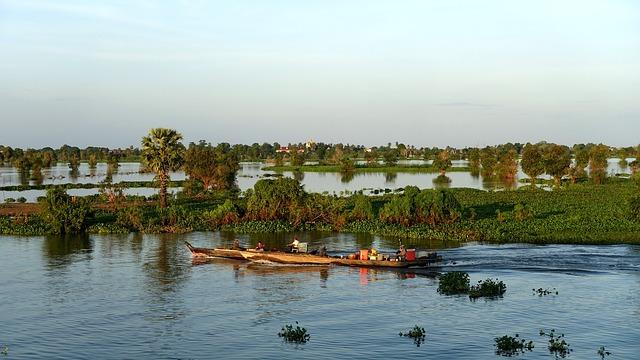
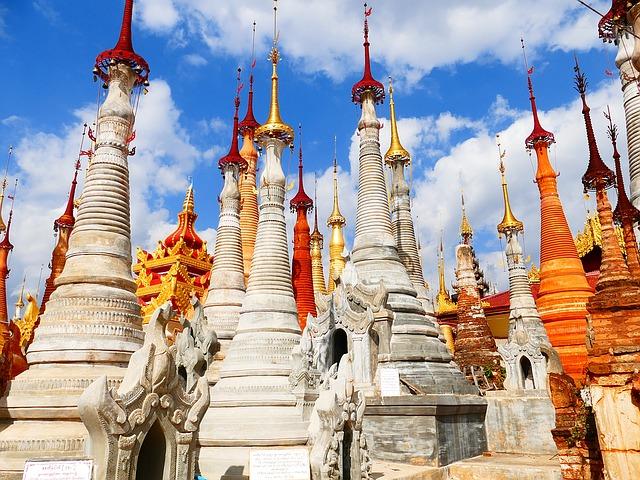
It’s 8am, Inle Lake wakes up and it’s a Burma forgotten by travellers that offers itself to you, along a cruise on a charming boat. First set out on the long canal that leads to the lake, you are then simply spectator of the mist that has not yet fully risen on the lake: magnificent. You can then discover the floating market with its multitude of products, from the most beautiful lotus thread fabrics to cigar scents… It is then the crossing of the floating gardens, where the gardeners welcome you and make you discover their culture and their harvest. Far away let yourself be surprised by a sweet music: thousands of little bells hung on top of the stupas vibrating in the wind, enter this very particular atmosphere. As the hours pass, the sun gradually descends behind the mountains, it turns orange and the sky turns shades of orange and yellow violet blue, it’s just beautiful, lucky to be the privileged witness of a generous nature.


2-     Shan people and their FOLKLORE

First ethnic minority in Burma (11% of the population), the Shan (meaning literally “the free people”) possess a powerful cultural identity that forces admiration and an exemplary history. Like the Karen, the Shan came from Yunnan (south of China) in the 13th century and first settled in the north of the country, in Ava, near Mandalay. Open yourself to another Burma, the authentic one. Burma awaits you is Orwell’s Burma, the one you can discover in his book « Histoire Birmane », the Burma of last century. And sometimes, in these villages, you’d feel you still are. You will certainly not get out unscathed! Going to meet these Burmese is sharing their culture: Shan music, very different from Burmese music, uses ozi drums that can measure up to two meters long! Although mostly Buddhists, the Shan live through animal dances a very colorful mythology. The martial dances of the swords and torches are spectacular! Discover its new rhythms and enter the dance, as a return to the sources of this civilization.


3-     treks

Burma opens up to the world. Between past and present, this journey takes us on paths still little used by the flourishing tourism. Burma also means hikes that end in the magic of Inle Lake. Traced by great rivers, bathed in the Andaman Sea, and head to the Himalayas, Myanmar offers to every journey a nature where infinite possibilities of treks are still to be explored.

Observe the orchard farms, the terraced agriculture and the thick forests preserved by the villagers. Climb to the top near the village to enjoy its breath taking view of Inle Lake. Myanmar is undoubtedly one of the most shocking countries in Asia… it will surprise even the most experienced traveler!

The essentials

Kayaking on Inle Lake

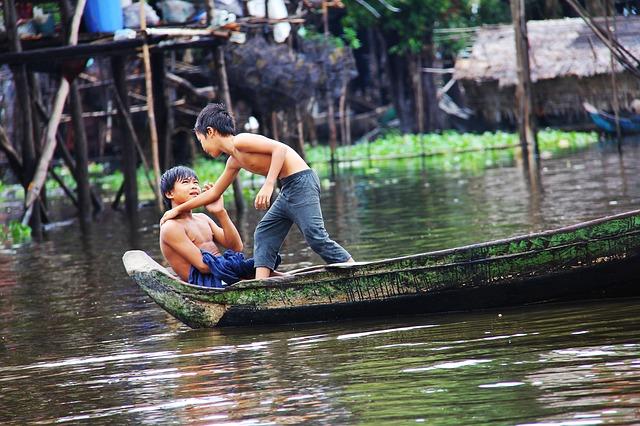
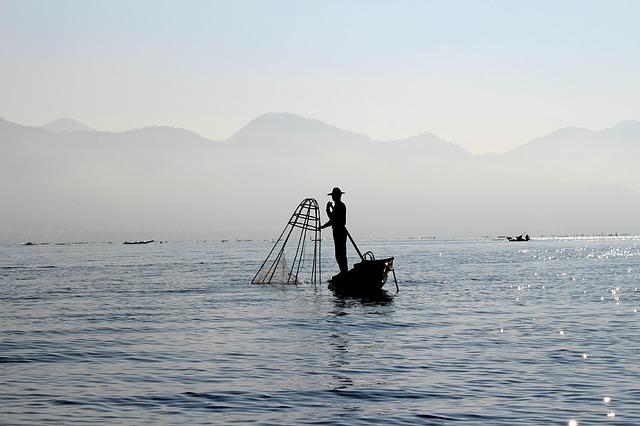
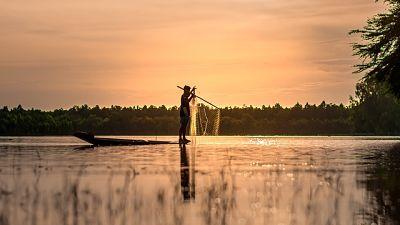
All to the east of Burma, Inle Lake still keeps this strange and calm beauty, out of time, almost intact. On the water, the kayak allows you to discover a place to measure: enjoy a journey of communion with the environment, nature lovers, you will take a delight in theses privileged moments, with the people and the magic of places. The opportunity is beautiful to approach the Intha fishermen, balancing silhouette of the lake and the few endemic animal species. Gently let yourself be carried away, trace your path as you paddle, mark this day as a rare moment: memorable.

Ballon ride over Bagan

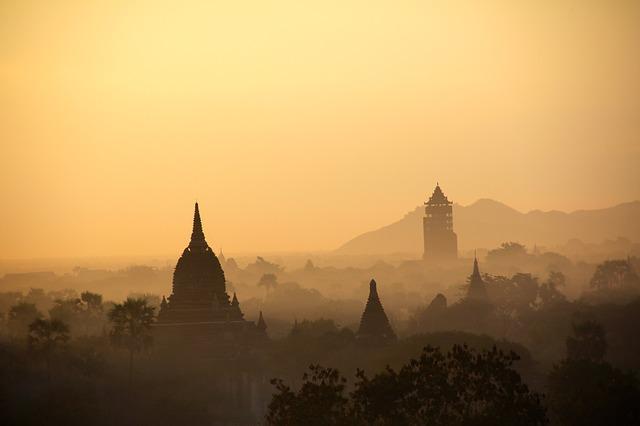
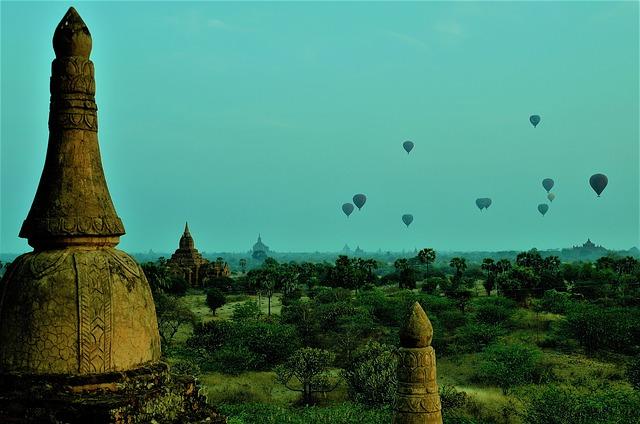
Leave in the early morning for an unforgettable experience: fly over the Bagan plain in a hot-air balloon at sunrise. Bagan, ancient capital of the Burmese kingdom is today a Buddhist archaeological site of nearly 50 hectares nestled on the banks of the Irrawady river and gathering hundreds of pagodas!

To fully grasp the magic of the plain, board a balloon and let yourself be enchanted by the atmosphere of this sacred land. You will be able to admire the sunrise on these some 2000 temples aged nearly 1000 years!

This flight will offer you a breathtaking view of the ancient Burmese kingdom and the opportunity to observe the pagodas of the Bagan plain in unique conditions.


Why choose Asia My Way?

Asia My Way has been present on the territory since 2007, which makes it the pioneer but also a specialist of the country.

With a team that likes to renew itself, Asia My Way takes you to the discovery of great classics as well as novelties.

Finally, our local agent Nyein, passionate about her country, will share with you the stories and secrets of this golden land for an authentic and intimate immersion experience in this incredible country that is Myanmar.

Archive Blog Detail

Festivals & Celebrations in South East Asia

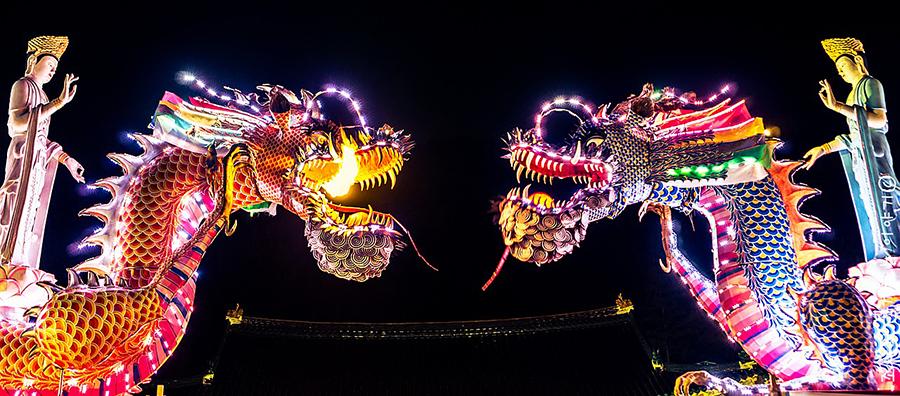
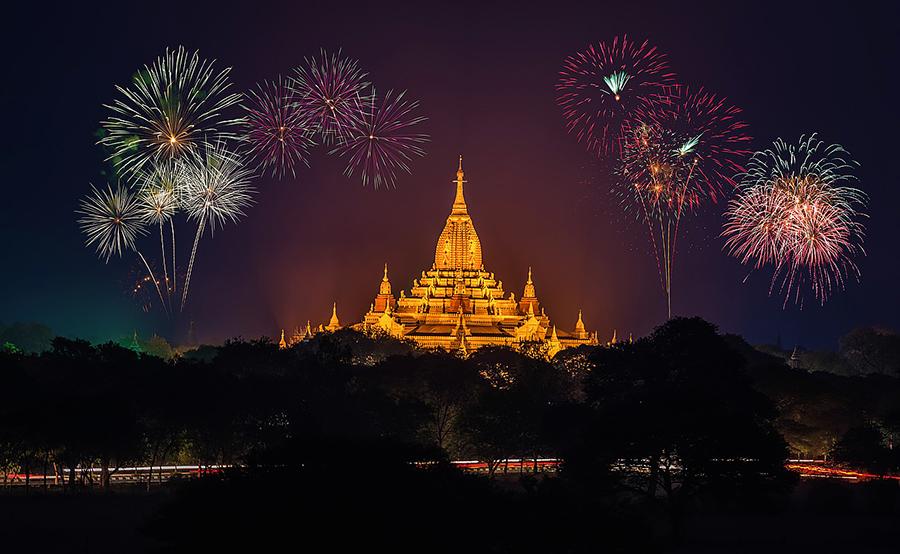
Asian festivals are among the most exotic and spectacular in the world! The month of November in South East Asia coincides with the end of the rainy season, the harvest period, the beginning of the dry season, which involves a number of celebrations and when it comes to honouring the spirits, Asians do not skimp on the means! On the program: illuminations, parades, traditional dance demonstrations, boat races, etc.
It’s worth synchronizing your trip to Asia with one of these celebrations! So if you have the chance to travel to South East Asia before the end of the year, here is a list of Festivities not to be missed!


Thailande – Loy Krathong /   CHIANG MAI – yee peng 

Venue : November 

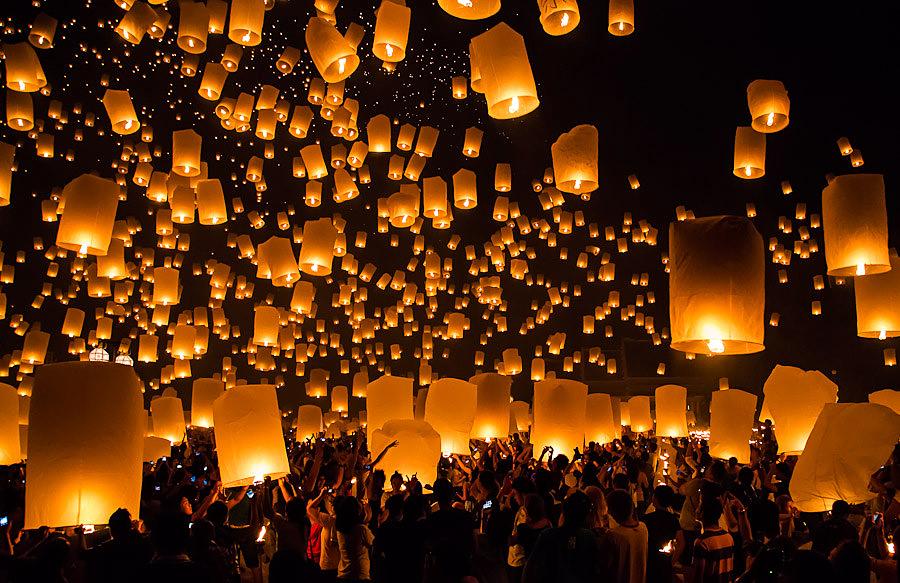
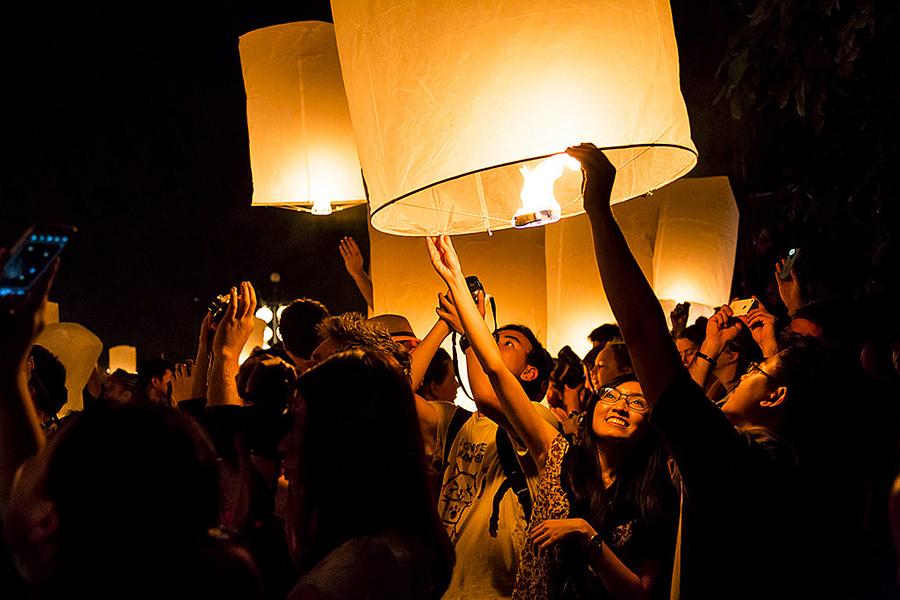
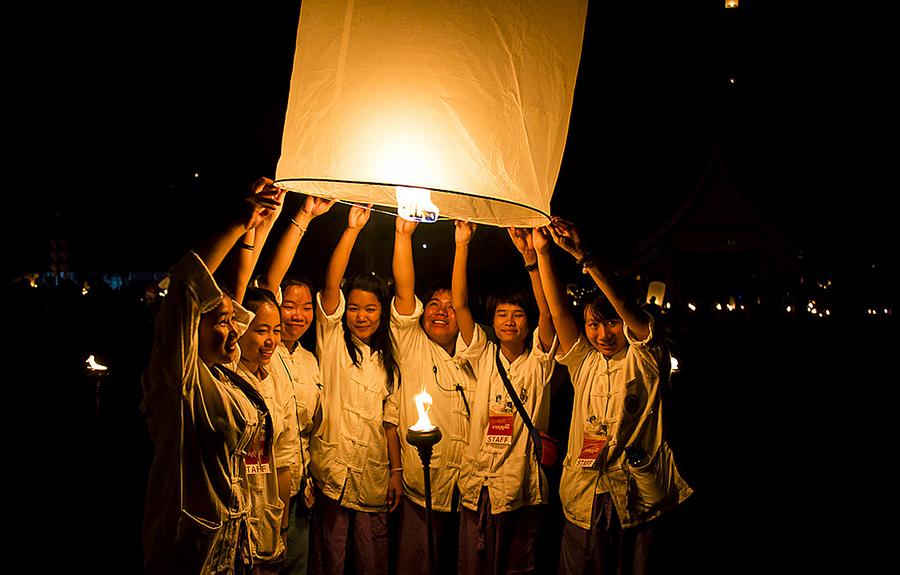
Every year in Thailand, Loy Kratong, also known as the Festival of Lights, is held where thousands of candlelit paper lanterns are released into the sky and onto the Ping River, one of the country’s most important cultural events. The festival takes place on the full moon of the 12th lunar month of the Thai calendar (usually in mid-November). The release of the lanterns symbolizes for the Thais the « letting go of all the bad spirits and misfortunes of the previous year ».
In Chiang Mai, the celebration of Loy Krathong is known as Yee Peng, again as part of the 12th month of the Thai lunar calendar, the 2nd month of the traditional calendar of the Lanna ancient kingdom.
Generally speaking, the festival is celebrated throughout the country for 2 days, in Chiang Mai, its duration can reach up tp one week during which many presentations and events take place, including parades, fireworks, sound and light shows, the Lanna style decoration contest, but the most awaited of all is the famous beauty contest bringing together, all in one a parade, the most beautiful women of Chiang Mai province.

To celebrate the Festival of Lights, people from northern Thailand often use 4 different types of lanterns, which are called Khom. They are made from paper, inside which is placed a candle to illuminate the whole.
Khom Theua: is a small lantern that people wear during the parade. Later, it will be used to decorate temples.
Khom Kwaen: is a small lantern that is hung from temples as an offering to Buddha. They can take 4 forms depending on the context: the alms bowl, a star, a wheel and a basket
Khom Loy: Also known as Khom Fai, it is a cylindrical paper measuring 1m high, inside of which are placed some firecrackers and explosives that are supposed to explode once the balloon is thrown into the air. The launch of the Khom Loy in Chiang Mai is an exceptional event. During that time, the sky is covered with a mass of illuminated balloons whose reflection on the water provides a dazzling spectacle. It’s an emotionally rich experience that’s really worth a visit!
Khratong: (or floating light) It is made from banana leaves whose shape is closely related to that of the lotus. The Khratong contains a lit candle, some flowers to decorate and incense to perfume it. The inhabitants drop these small boats off along rivers and other water points, not only to thank the water goddess (this festival marks the end of the rainy season) but also to atone for the mistakes made throughout the year.

laos - boun ok phansa / boun lai heua fai

Venue: November

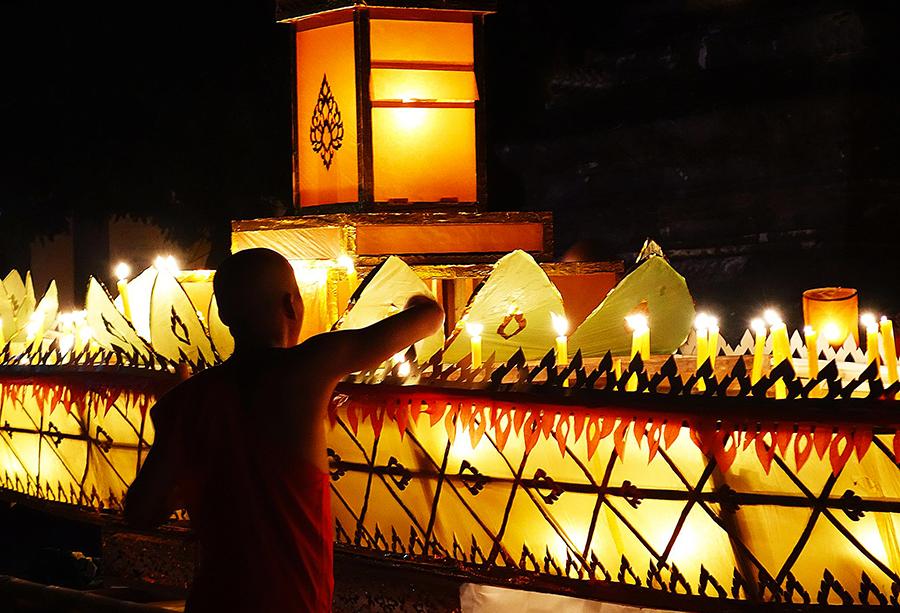
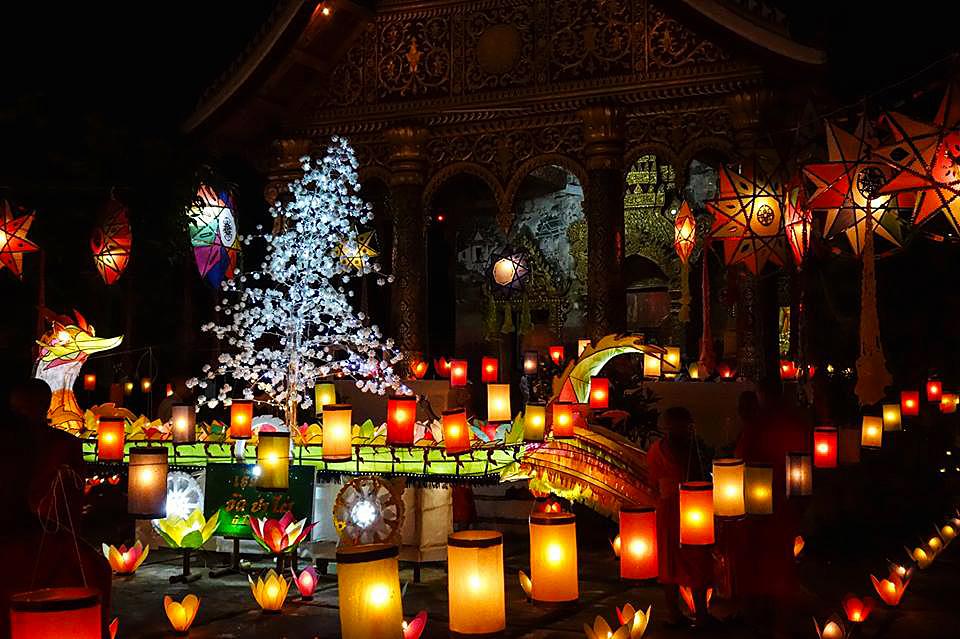
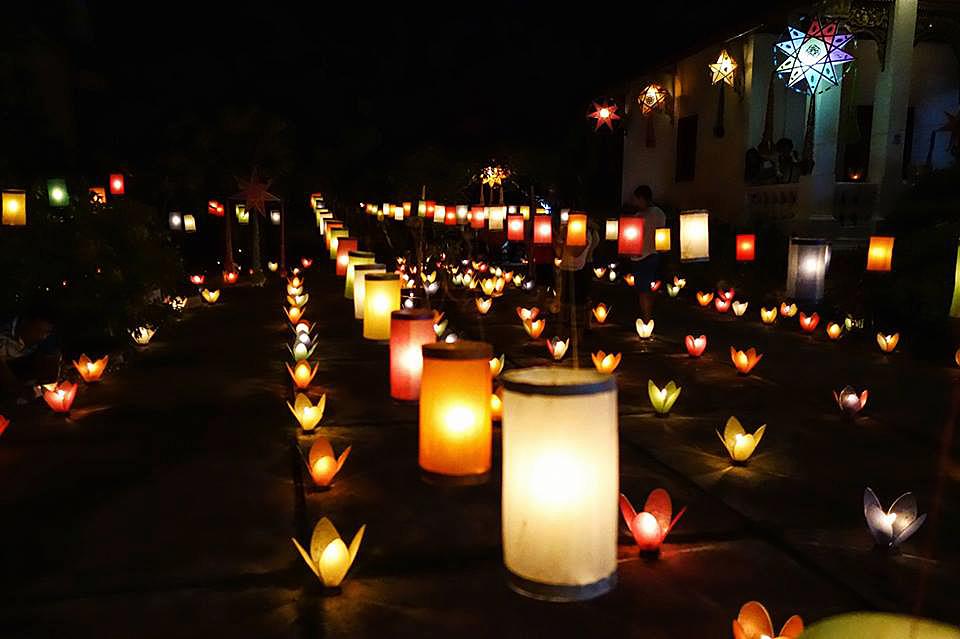
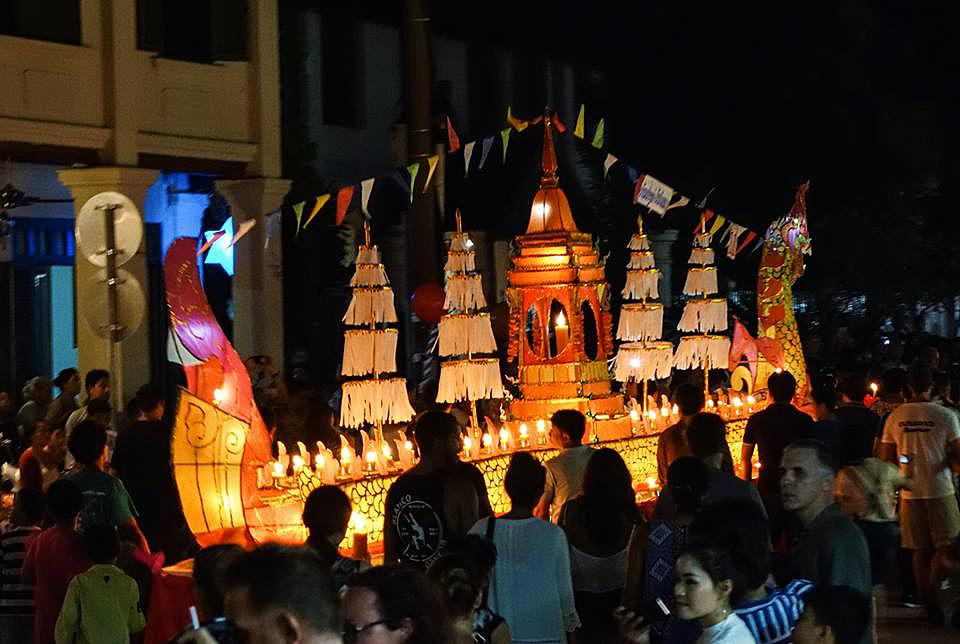
In Laos, Boun Ok Phansa is the holy day marking the end of Buddhist Lent and the end of the rainy season; the next day is Boun Lai Heua Fai: the festival of boat lanterns (taking place the next day) which pays tribute to the Mekong and the dead, it is one of the most important celebrations in the country ! Traditionally, Boun Ok Phansa is an opportunity to honour the spirits of the Mekong. We think that disease, bad luck and all that is negative can be carried away by the river. In the weeks before this festival, novices and monks decorate the temples with paper lanterns and villages make their boat lanterns out of bamboo and paper. The temples are all nicely lit, so that everyone walks from temple to temple at night. On the big day, the lanterns of the big boats are lit and are marched along the main street to Wat Xieng thong where they descend into the Mekong. People buy or make lanterns from banana tree trunks and flowers, light them, make a wish and put them in the river. The whole river seems to be lighting up, it’s a spectacular night. 

cambodia – water festival / boat race

Venue: November

Bon Om Touk, also known as the « Water Festival », is an annual Cambodian celebration that takes place mainly in Phnom Penh, the capital of Cambodia, but also in Angkor. Bon Om Touk is a celebration of the end of the rainy season at the full moon of the Buddhist month of Kadeuk. The full moon is considered a good luck charm that can lead to an abundant harvest. On the Western calendar, Bon Om Touk falls in October or early November.
Heavy monsoon rains cause the Mekong River to reverse its course and push back into the very large Tonle Sap Lake, far upstream. The lake therefore overflows its normal limits, which provides a lot of water for the main event in Bon Om Touk, the annual pirogue race. Once the Mekong River and the Tonle Sap River, which connects the Mekong River to Tonle Sap Lake, begin to flow back to the sea, you know it is almost time for Bon Om Touk. The withdrawal of the water also leaves rich sediments that will help local farmers in the upcoming year. However, be aware that in years of low water, the annual boat race can be cancelled.
For three consecutive days, the celebrations continue, with people from all over Cambodia coming to Phnom Penh to take part in the festivities. Day and night, the celebration continues. Activities include music concerts, traditional dance demonstrations and Aboriginal food feasts. The regatta often includes up to 400 racing boats, each decorated with bright colours and rowed by about forty men, who are usually monks. There are prizes for the winners, and dancers and drummers on board that keep the rowers in the right rhythm.

myanmar - hot air balloon festival - taungyi

Venue: 17-22 November 2018

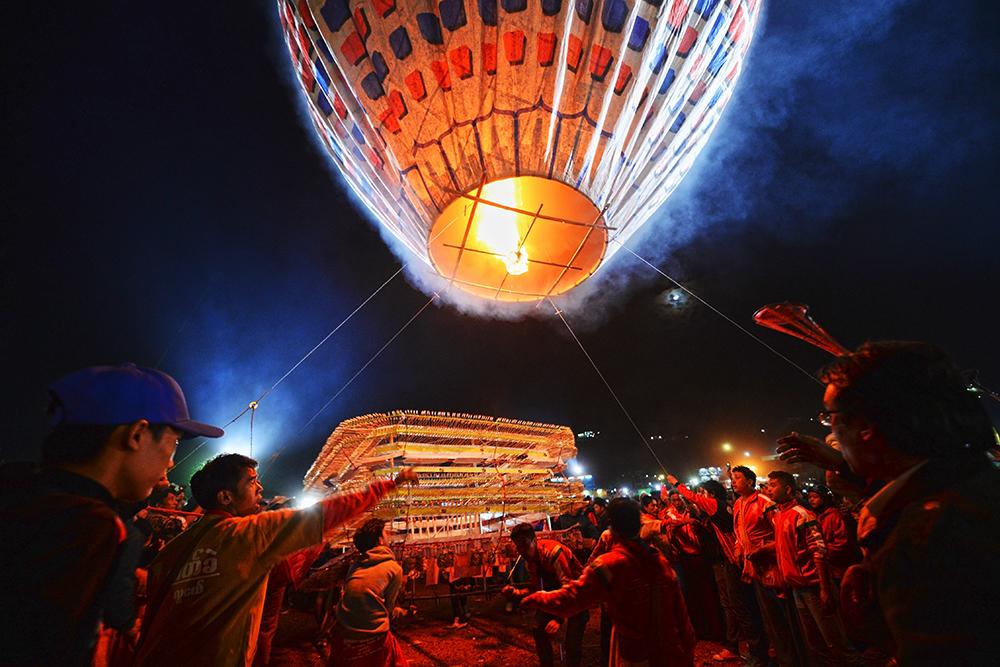
The festival takes place every year, during the full moon of November, this year, from 17th to 22nd November in Taunggyi, capital of Shan State. This is an important month that marks the end of the rainy season and the beginning of winter. The « Hot Air Balloon » festival is one of Burma’s most popular events, each year balloons are sent to the sky as a sign of offering to the good spirits and as a tribute to the Sulamani Pagoda.
The Tazaungdaing festival takes place over a week: 5 days of qualifying and two days of finals. It ends on the day of the full moon in November. The teams, representing the different districts of Taunggyi, are preparing for a year of competition. The objective is to successfully fly the most elaborate and decorated balloon. Hot air balloons are made of paper, by hand. They are decorated with fireworks, firecrackers and candles. Every evening, music and parades accompany the placement of the balloons on the central lawn.

vietnam - Ooc Om bok

Venue: November 

Ooc Om Bok is one of the liveliest festivals in the Khmer calendar. The Vietnamese of the Mekong Delta take this opportunity to thank the god of the moon for the good rice harvests and abundant fish catches, and to celebrate the end of the Khmer year. Fruits and vegetables are offered as an offering to the gods at midnight. Thousands of visitors gather to attend boat races, and ethnic dance and music are guaranteed. It is also an opportunity to celebrate the end of the rainy season and the beginning of the dry season.
The harvest period is very important and this is one of the main reasons for the celebration. If you travel to Vietnam, the harvest period is extremely interesting. The rice fields that were flooded when the rice was planted are now dry and the golden rice gives the rice fields a completely different appearance.

Archive Blog Detail

Festivals & Celebrations in South East Asia

Asian festivals are among the most exotic and spectacular in the world! The month of November in South East Asia coincides with the end of the rainy season, the harvest period, the beginning of the dry season, which involves a number of celebrations and when it comes to honouring the spirits, Asians do not skimp on the means! On the program: illuminations, parades, traditional dance demonstrations, boat races, etc.
It’s worth synchronizing your trip to Asia with one of these celebrations! So if you have the chance to travel to South East Asia before the end of the year, here is a list of Festivities not to be missed!


Thailande – Loy Krathong /   CHIANG MAI – yee peng 

Venue : November 

Every year in Thailand, Loy Kratong, also known as the Festival of Lights, is held where thousands of candlelit paper lanterns are released into the sky and onto the Ping River, one of the country’s most important cultural events. The festival takes place on the full moon of the 12th lunar month of the Thai calendar (usually in mid-November). The release of the lanterns symbolizes for the Thais the « letting go of all the bad spirits and misfortunes of the previous year ».
In Chiang Mai, the celebration of Loy Krathong is known as Yee Peng, again as part of the 12th month of the Thai lunar calendar, the 2nd month of the traditional calendar of the Lanna ancient kingdom.
Generally speaking, the festival is celebrated throughout the country for 2 days, in Chiang Mai, its duration can reach up tp one week during which many presentations and events take place, including parades, fireworks, sound and light shows, the Lanna style decoration contest, but the most awaited of all is the famous beauty contest bringing together, all in one a parade, the most beautiful women of Chiang Mai province.

To celebrate the Festival of Lights, people from northern Thailand often use 4 different types of lanterns, which are called Khom. They are made from paper, inside which is placed a candle to illuminate the whole.
Khom Theua: is a small lantern that people wear during the parade. Later, it will be used to decorate temples.
Khom Kwaen: is a small lantern that is hung from temples as an offering to Buddha. They can take 4 forms depending on the context: the alms bowl, a star, a wheel and a basket
Khom Loy: Also known as Khom Fai, it is a cylindrical paper measuring 1m high, inside of which are placed some firecrackers and explosives that are supposed to explode once the balloon is thrown into the air. The launch of the Khom Loy in Chiang Mai is an exceptional event. During that time, the sky is covered with a mass of illuminated balloons whose reflection on the water provides a dazzling spectacle. It’s an emotionally rich experience that’s really worth a visit!
Khratong: (or floating light) It is made from banana leaves whose shape is closely related to that of the lotus. The Khratong contains a lit candle, some flowers to decorate and incense to perfume it. The inhabitants drop these small boats off along rivers and other water points, not only to thank the water goddess (this festival marks the end of the rainy season) but also to atone for the mistakes made throughout the year.

laos - boun ok phansa / boun lai heua fai

Venue: November

In Laos, Boun Ok Phansa is the holy day marking the end of Buddhist Lent and the end of the rainy season; the next day is Boun Lai Heua Fai: the festival of boat lanterns (taking place the next day) which pays tribute to the Mekong and the dead, it is one of the most important celebrations in the country ! Traditionally, Boun Ok Phansa is an opportunity to honour the spirits of the Mekong. We think that disease, bad luck and all that is negative can be carried away by the river. In the weeks before this festival, novices and monks decorate the temples with paper lanterns and villages make their boat lanterns out of bamboo and paper. The temples are all nicely lit, so that everyone walks from temple to temple at night. On the big day, the lanterns of the big boats are lit and are marched along the main street to Wat Xieng thong where they descend into the Mekong. People buy or make lanterns from banana tree trunks and flowers, light them, make a wish and put them in the river. The whole river seems to be lighting up, it’s a spectacular night. 

cambodia – water festival / boat race

Venue: November

Bon Om Touk, also known as the « Water Festival », is an annual Cambodian celebration that takes place mainly in Phnom Penh, the capital of Cambodia, but also in Angkor. Bon Om Touk is a celebration of the end of the rainy season at the full moon of the Buddhist month of Kadeuk. The full moon is considered a good luck charm that can lead to an abundant harvest. On the Western calendar, Bon Om Touk falls in October or early November.
Heavy monsoon rains cause the Mekong River to reverse its course and push back into the very large Tonle Sap Lake, far upstream. The lake therefore overflows its normal limits, which provides a lot of water for the main event in Bon Om Touk, the annual pirogue race. Once the Mekong River and the Tonle Sap River, which connects the Mekong River to Tonle Sap Lake, begin to flow back to the sea, you know it is almost time for Bon Om Touk. The withdrawal of the water also leaves rich sediments that will help local farmers in the upcoming year. However, be aware that in years of low water, the annual boat race can be cancelled.
For three consecutive days, the celebrations continue, with people from all over Cambodia coming to Phnom Penh to take part in the festivities. Day and night, the celebration continues. Activities include music concerts, traditional dance demonstrations and Aboriginal food feasts. The regatta often includes up to 400 racing boats, each decorated with bright colours and rowed by about forty men, who are usually monks. There are prizes for the winners, and dancers and drummers on board that keep the rowers in the right rhythm.

myanmar - hot air balloon festival - taungyi

Venue: 17-22 November 2018

The festival takes place every year, during the full moon of November, this year, from 17th to 22nd November in Taunggyi, capital of Shan State. This is an important month that marks the end of the rainy season and the beginning of winter. The « Hot Air Balloon » festival is one of Burma’s most popular events, each year balloons are sent to the sky as a sign of offering to the good spirits and as a tribute to the Sulamani Pagoda.
The Tazaungdaing festival takes place over a week: 5 days of qualifying and two days of finals. It ends on the day of the full moon in November. The teams, representing the different districts of Taunggyi, are preparing for a year of competition. The objective is to successfully fly the most elaborate and decorated balloon. Hot air balloons are made of paper, by hand. They are decorated with fireworks, firecrackers and candles. Every evening, music and parades accompany the placement of the balloons on the central lawn.

vietnam - Ooc Om bok

Venue: November 

Ooc Om Bok is one of the liveliest festivals in the Khmer calendar. The Vietnamese of the Mekong Delta take this opportunity to thank the god of the moon for the good rice harvests and abundant fish catches, and to celebrate the end of the Khmer year. Fruits and vegetables are offered as an offering to the gods at midnight. Thousands of visitors gather to attend boat races, and ethnic dance and music are guaranteed. It is also an opportunity to celebrate the end of the rainy season and the beginning of the dry season.
The harvest period is very important and this is one of the main reasons for the celebration. If you travel to Vietnam, the harvest period is extremely interesting. The rice fields that were flooded when the rice was planted are now dry and the golden rice gives the rice fields a completely different appearance.

Archive Blog Detail

The three highlights of Myanmar

1-     a cruise of Inle lake

It’s 8am, Inle Lake wakes up and it’s a Burma forgotten by travellers that offers itself to you, along a cruise on a charming boat. First set out on the long canal that leads to the lake, you are then simply spectator of the mist that has not yet fully risen on the lake: magnificent. You can then discover the floating market with its multitude of products, from the most beautiful lotus thread fabrics to cigar scents… It is then the crossing of the floating gardens, where the gardeners welcome you and make you discover their culture and their harvest. Far away let yourself be surprised by a sweet music: thousands of little bells hung on top of the stupas vibrating in the wind, enter this very particular atmosphere. As the hours pass, the sun gradually descends behind the mountains, it turns orange and the sky turns shades of orange and yellow violet blue, it’s just beautiful, lucky to be the privileged witness of a generous nature.


2-     Shan people and their FOLKLORE

First ethnic minority in Burma (11% of the population), the Shan (meaning literally “the free people”) possess a powerful cultural identity that forces admiration and an exemplary history. Like the Karen, the Shan came from Yunnan (south of China) in the 13th century and first settled in the north of the country, in Ava, near Mandalay. Open yourself to another Burma, the authentic one. Burma awaits you is Orwell’s Burma, the one you can discover in his book « Histoire Birmane », the Burma of last century. And sometimes, in these villages, you’d feel you still are. You will certainly not get out unscathed! Going to meet these Burmese is sharing their culture: Shan music, very different from Burmese music, uses ozi drums that can measure up to two meters long! Although mostly Buddhists, the Shan live through animal dances a very colorful mythology. The martial dances of the swords and torches are spectacular! Discover its new rhythms and enter the dance, as a return to the sources of this civilization.


3-     treks

Burma opens up to the world. Between past and present, this journey takes us on paths still little used by the flourishing tourism. Burma also means hikes that end in the magic of Inle Lake. Traced by great rivers, bathed in the Andaman Sea, and head to the Himalayas, Myanmar offers to every journey a nature where infinite possibilities of treks are still to be explored.

Observe the orchard farms, the terraced agriculture and the thick forests preserved by the villagers. Climb to the top near the village to enjoy its breath taking view of Inle Lake. Myanmar is undoubtedly one of the most shocking countries in Asia… it will surprise even the most experienced traveler!
The essentials

Kayaking on Inle Lake

All to the east of Burma, Inle Lake still keeps this strange and calm beauty, out of time, almost intact. On the water, the kayak allows you to discover a place to measure: enjoy a journey of communion with the environment, nature lovers, you will take a delight in theses privileged moments, with the people and the magic of places. The opportunity is beautiful to approach the Intha fishermen, balancing silhouette of the lake and the few endemic animal species. Gently let yourself be carried away, trace your path as you paddle, mark this day as a rare moment: memorable.

Ballon ride over Bagan

Leave in the early morning for an unforgettable experience: fly over the Bagan plain in a hot-air balloon at sunrise. Bagan, ancient capital of the Burmese kingdom is today a Buddhist archaeological site of nearly 50 hectares nestled on the banks of the Irrawady river and gathering hundreds of pagodas!

To fully grasp the magic of the plain, board a balloon and let yourself be enchanted by the atmosphere of this sacred land. You will be able to admire the sunrise on these some 2000 temples aged nearly 1000 years!

This flight will offer you a breathtaking view of the ancient Burmese kingdom and the opportunity to observe the pagodas of the Bagan plain in unique conditions.


Why choose Asia My Way?

Asia My Way has been present on the territory since 2007, which makes it the pioneer but also a specialist of the country.

With a team that likes to renew itself, Asia My Way takes you to the discovery of great classics as well as novelties.

Finally, our local agent Nyein, passionate about her country, will share with you the stories and secrets of this golden land for an authentic and intimate immersion experience in this incredible country that is Myanmar.

Archive Blog Detail

Discovering Myanmar

3 reasons why choose to visit myanmar:


Shan state: between traditional cities and picturesque nature 

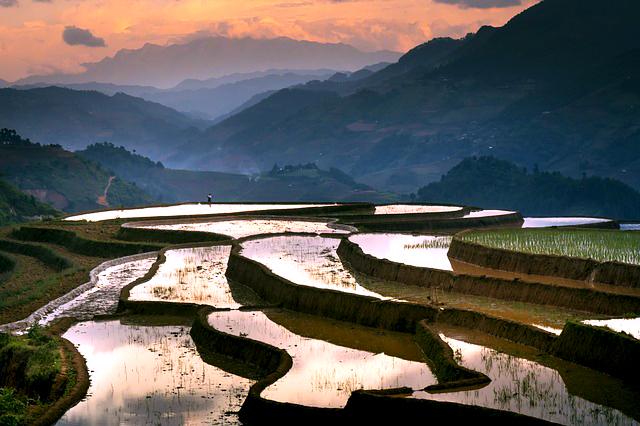
How to multiply trips in one and get off the beaten track? Keng Tung is probably the solution. Located in the middle of a valley of rice fields in the east of Shan State, surrounded by more than 2,000 m of high mountains, this city is ideal for hiking and walking without leaving the city. Discover the high hills and steep slopes by stopping at the villages established near the rivers and living rice crops. Moreover, this friendly city is a superb opportunity to become aware of the great ethnic diversity of the country and to meet these inhabitants. You will access this hidden treasure by the Thai border of Tachileik.


Burmese culture, embodied by the locals

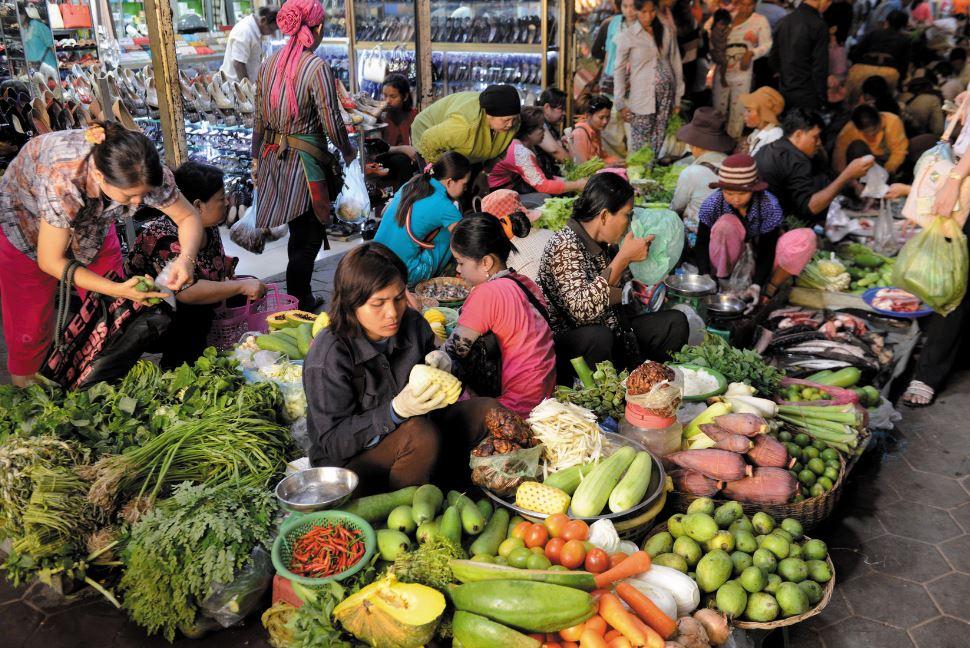
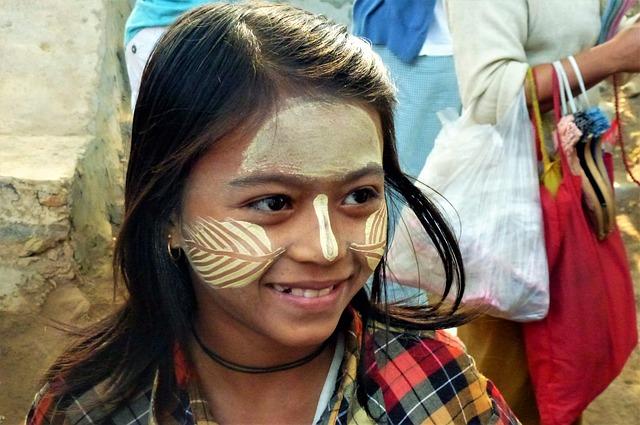
You will have understood it, this country is also a country of human adventures: the treks close to Ho Kyin will be the occasion of thousand finds. First of all the green tea plantations of the mountains hidden in the heart of green valleys and to which access is made thanks to narrow and steep roads, but also the pearls of the places that are the mountain tribes Akha, Lahu, Ann… These people believe in various religions (Buddhist, animist and also Christian) and your eyes will very quickly recognize them by their distinct fabrics. But the place where you can see all minorities interacting together is of course the market, where ethnic groups buy and sell each other’s specialities. One of the largest is the one in Bogyoke known as Scott Market. Its 2000 shops offer the largest selection of typical Burmese handicrafts and objects from all over the country: fabrics, precious stones (jade, rubies and sapphires), basketry and braided bamboo, lacquers, puppets, antiques… In Wan Kan, rice wine is in the spotlight, and in Wan Lau it is Shan paper. Those traditional tribes live modestly, their way of life has not changed for many years, and they all have have their own traditions. By this journey, you will have a front row seat to appreciate their kindness, their welcome and their know-how. Then wander and lose yourself with them for an unforgettable human sharing…


The spiritual approach and the influences of Buddhism

In Burma, Buddhism is the most widely practiced religion. The religious fervour in Burma is truly impressive. Temples, monasteries and pagodas blend into the scenery of a powerful nature. How to feel this Buddhist fervor? On your way, stop at the Shwe Yan Pyay Monastery, an amazing 19th century monastery, its huge Burmese teak facades are breath taking, pierced with equally grand oval windows…but one of the most unforgettable monasteries is Nga Hpe Chaung. Sail along the river to this magnificent building where jumping cats will welcome you with their multiple pirouettes, and lead you to the huge collection of Buddha, for a surprising and total Buddhist immersion.

Archive Blog Detail

Cuisine Tip: Mohingar Recipe – Myanmar

Discover the world’s cuisine through the best kept recipes. Today we wish to give you the secrets to succeed a typical Burmese dish: the Mohingar.

What is Mohingar?

Fish noodle soup is one of the most traditional dishes in Myanmar. It is an original blend of ingredients that contribute harmoniously to the making of this delicious dish. It’s a mix of rice noodles that has become the most popular snack here in Myanmar served at most social or religious gatherings.

It is the most popular of dishes, now considered the all-day meal in many villages and towns of the country. The Mohingar is also served with a mix of all kinds of toppings, however nowadays ready-to-use packets of powder are sold to make the broth.

Street vendors, walking around neighborhoods where they have regular customers, are the main sellers of this popular dish. They carry a cauldron of soup on a frying pan hung on one side of a pole that they carry on their shoulder and rice vermicelli and other ingredients with bowls and spoons on the other. It is also possible to taste this typical dish all day, in restaurants, tea houses or other street vendor.

Mohingar is a mixture of the main ingredients: fish, fish paste, pea powder and banana kernel. Also contains several spices namely garlic, onion, ginger, pepper, turmeric powder and lemongrass. Served with boiled eggs, fried squash, peas, onion donuts and homemade fish cakes.

Ingredients

  • ½ cup of peanut oil
  • 1 teaspoon of turmeric powder
  • ½ red onion, finely sliced
  • 1 stem of lemongrass, only white part, finely sliced
  • 2 cm slice of ginger, finely sliced
  • 2 garlic cloves, finely sliced
  • 2 tbsp.  shrimp paste
  • 1 teaspoon of sweet paprika
  • 3 tablespoons cooked and crushed chickpeas
  • 85 g of grilled rice powder
  • 4 tablespoons fish sauce
  • 2 Asian shallots, peeled
  • 2 boiled eggs, sliced
  • 100 g of boiled banana (alternatively, use the banana flower)
  • 600 g cooked vermicelli
  • 4 sprigs of coriander, to garnish
  • 4 snake beans, finely sliced
  • Pinch of dried chili flakes

For the broth:

  • 1 whole catfish, cleaned
  • 1 stem of lemongrass,
  • 2 crushed garlic gloves
  • 1 teaspoon of turmeric powder
  • 2 liters of cold water

For the Chili paste:

  • 3 stalks of lemongrass, white part only, finely sliced
  • 4 whole dried peppers
  • 4 Asian red shallots, diced
  • 4 garlic cloves, diced
  • 2 cm ginger, finely sliced

Preparation:

To make the broth, add the catfish, lemongrass, garlic, turmeric and water to a large saucepan or pot. Bring to the boil over high heat and skim the impurities that rise to the surface. Reduce to low heat and simmer for 20 minutes. Filter the broth and remove the fish flesh from the bones. Set aside and reserve the broth.

Meanwhile, make the paste, in a mortar and pestle, crush the lemongrass, peppers, red shallots, garlic and ginger in a nice paste.

Keep aside.

Heat the peanut oil in a saucepan over low and medium heat and add the turmeric. Then add the chili paste. Add the red onion, lemongrass, ginger and garlic. Cook for 5-6 minutes. Add the flaked fish and coat it in the paste. Fry over medium-low heat for 20 minutes. Add the shrimp paste and paprika. Continue to cook over low heat for another 5 minutes to infuse the flavors.

Return the broth to the pot, place over medium heat. Add crushed chickpeas, rice powder, fish sauce and flaked fish mixture. Season with salt and black pepper. Reduce heat and simmer for 30 minutes. Add the shallots and the boiled egg. Add the banana.

Divide the vermicelli noodles between 4 bowls. Pour the broth over the noodles. Garnish with coriander, beans and chili flakes to serve.